
Beauty Guides
AHA vs BHA Exfoliants — Practical Guide
A practical guide to aHA vs BHA Exfoliants. Compare the key concepts, product formats and points to check before choosing.
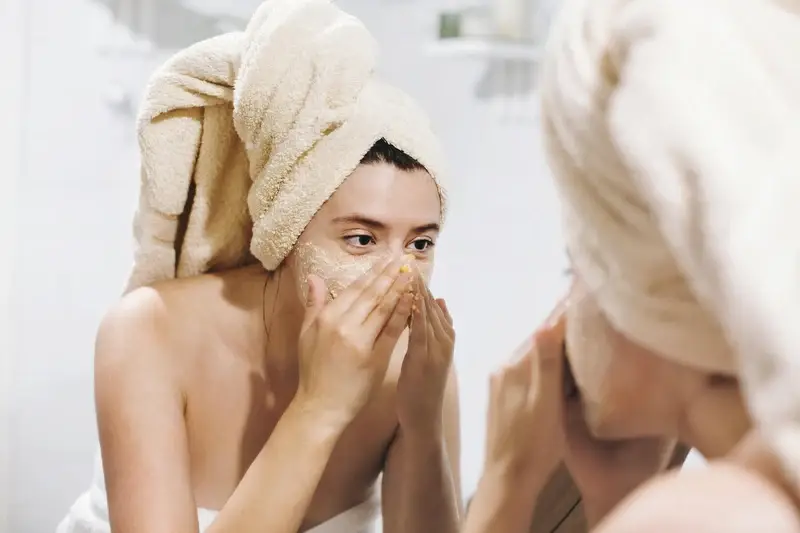
AHAs and BHAs are two of the most effective chemical exfoliants in skincare. You'll find them in cleansers, toners, serums, pads, masks and peels. Both dissolve the bonds that hold dead skin cells together, so skin looks smoother and brighter. But they work in different places, which is why the real question isn't AHA vs BHA. It's which one fits your skin type and goals, and when to use each.
This guide covers how alpha hydroxy acids and beta hydroxy acids work, which skin types benefit most, and how to add them to your routine without overdoing it.
Why chemical exfoliation matters
Skin sheds dead cells constantly, but that process slows with age, sun exposure and oiliness. When dead cells build up, skin can look dull, pores can clog, and fine lines and uneven tone become more noticeable.
Chemical exfoliants loosen that buildup without scrubbing. Used consistently, they help refine texture, brighten tone and keep pores clear. Browse the full range of exfoliators and peels to see the formats available.
What is AHA (alpha hydroxy acid)?
Alpha hydroxy acids are water-soluble acids, many derived from fruit, milk or sugar cane. Because they dissolve in water, they work on the skin's surface, loosening dead cells so fresher skin shows through. That's why AHAs are a go-to for dryness, dullness, rough texture, uneven tone and visible signs of aging.
Common AHAs you'll see on ingredient labels
Glycolic acid: The smallest AHA molecule, so it penetrates most readily. Strong for texture, tone and fine lines, but the most likely AHA to sting sensitive skin. Shop the glycolic acid collection.
Lactic acid: Gentler than glycolic and naturally hydrating, which makes it a good fit for dry or sensitive skin.
Mandelic acid: A larger molecule that absorbs slowly, so it tends to be well tolerated. Popular for sensitive, acne-prone and deeper skin tones.
Citric, malic and tartaric acids: Milder AHAs usually included to support other actives or balance a formula's pH.
In the US, the Cosmetic Ingredient Review panel considers AHAs safe in at-home products at concentrations up to 10% with a pH of 3.5 or higher. Stronger formulas are generally reserved for professional peels.
Explore the alpha hydroxy acid skincare collection for cleansers, toners, serums and masks.
What is BHA (beta hydroxy acid)?
In skincare, BHA almost always means salicylic acid. Unlike AHAs, salicylic acid is oil-soluble, so it can move through sebum and work inside the pore. It loosens the mix of oil and dead cells that causes blackheads and whiteheads, and it has calming properties that help with the redness of breakouts.
That makes BHA the first choice for oily, congested and acne-prone skin. Over-the-counter acne products in the US contain 0.5% to 2% salicylic acid. Find cleansers, serums and spot treatments in the salicylic acid collection.
Both exfoliate, smooth texture and help pores look smaller. Both call for daily sunscreen.
AHAs suit you best if your main concerns are dryness, dullness, rough patches, dark spots or fine lines. Start with a rinse-off product, then move to a leave-on treatment once your skin adjusts.
Cleanser: SkinCeuticals Glycolic Renewal Cleanser Gel pairs glycolic acid with hydrating glycerin and aloe for twice-daily use. For a creamier option, try Murad Renewing Cleansing Cream.
Toner: PCA Skin Nutrient Toner uses lactic acid to gently exfoliate and refine the look of pores.
Serum: PCA Skin Resurfacing Serum relies on a slow-release glycolic complex to resurface while calming and hydrating.
Weekly treatment: Osmosis Polish MD Cranberry Enzyme Mask combines lactic acid with fruit enzymes for an at-home glow boost. PCA Skin Pore Refining Treatment adds mandelic acid to enzymatic and gentle physical exfoliation.
Begin two or three times a week and build up as your skin allows. Mild stinging that fades quickly is normal; lasting redness, burning or peeling means you should cut back. For a full regimen, see the skincare routine for aging skin or routine for dark spots and hyperpigmentation.
BHA is the better daily pick if you deal with oiliness, blackheads or breakouts. A salicylic acid cleanser is the easiest entry point, with leave-on serums or spot treatments added as needed.
Cleanser: La Roche-Posay Effaclar Medicated Acne Wash and NoLIO BHA Cleanser both deliver salicylic acid in a daily wash.
Serum: La Roche-Posay Effaclar Salicylic Acid Acne Treatment Serum offers 1.5% salicylic acid in a leave-on formula.
Moisturizer: Vichy Normaderm PhytoAction Acne Control Daily Moisturizer combines 2% salicylic acid with hyaluronic acid so treatment and hydration happen in one step.
Spot treatment: IMAGE Skincare CLEAR CELL Clarifying Acne Spot Treatment targets individual blemishes with 2% salicylic acid.
Salicylic acid can be drying, so follow with a lightweight moisturizer. For a step-by-step plan, see the acne-prone skin routine or shop by skin type in acne-prone skin.
Can you use AHA and BHA together?
Yes, and combination skin often benefits most: BHA keeps the T-zone clear while AHA smooths drier areas. The key is not to over-exfoliate. You can
Use a formula that already blends both, such as SkinMedica AHA/BHA Exfoliating Cleanser, SkinMedica AHA/BHA Cream or Derma Made AHA+BHA Peel Pads.
Alternate nights, using BHA one evening and AHA the next.
Apply each where it's needed, for example BHA on the nose and chin and AHA on the cheeks.
For adult acne alongside early signs of aging, SkinCeuticals Blemish + Age Defense combines alpha and beta hydroxy acids with dioic acid in one serum.
Everyone's skin is different. If you have a skin condition or are using prescription treatments, check with a dermatologist before adding exfoliating acids.
Neither is better overall. AHA is usually the better choice for dry, dull or mature skin, while BHA is better for oily, congested or acne-prone skin. Combination skin often does well with both.
BHA (salicylic acid) is the standard pick for acne because it works inside the pore. Mandelic acid, an AHA, is a gentler option for acne-prone skin that's also sensitive.
Which exfoliating acid is best for sensitive skin?
Start with lactic acid, mandelic acid or a PHA, and use them only a few times a week. Avoid high-strength glycolic acid until you know how your skin responds. Shop gentler formulas in the sensitive skin collection.
Gentle cleansers and low-strength toners can often be used daily. Leave-on serums, pads and masks are usually best two to four times a week. Let your skin's response guide frequency.
Polyhydroxy acids (PHAs) work like AHAs but have larger molecules, so they exfoliate more slowly and gently. They're well suited to sensitive skin. Obagi Medical Lip Therapy AHA+PHA Smoothing Micro-Peel uses both to smooth dry lips.
Yes, but combining them raises the risk of irritation. Use acids and retinol on alternate nights, or acids in a rinse-off cleanser only, and introduce one product at a time.
Yes, with some spacing. Applying them at different times, such as vitamin C in the morning and acids at night, lowers the chance of irritation and lets each work at its preferred pH.
Avoid stacking several exfoliating products in one routine, such as an acid toner plus a scrub plus a peel. Be cautious when pairing with retinoids or benzoyl peroxide, and stop exfoliating on any area that's irritated, sunburned or recently treated.
The right acid comes down to your skin type and goals. Choose AHA for smoother, brighter, more even-looking skin, BHA for clearer pores and fewer breakouts, or both if your skin needs a bit of each. Shop the alpha hydroxy acid products and salicylic acid products, or look up any ingredient in the skincare ingredient glossary.
Want to keep learning? Read the guide to hyaluronic acid or the tips on anti-aging exfoliation.
Dr. Ben Shatil, DO, MPH, is a board-certified anesthesiologist and aesthetic physician specializing in non-surgical facial rejuvenation and advanced cosmetic injectables. Trained at Columbia University and holding dual degrees in medicine and public health, he combines clinical expertise with an artistic approach to deliver natural-looking aesthetic results. As the founder of RENEW Pain & Wellness Center, co-founder of YS Aesthetics, and a Medical Advisor for , Dr. Shatil is passionate about educating patients on evidence-based skincare, healthy aging, and the latest advancements in aesthetic medicine. Learn more about the Medical Advisors.
Where you buy skincare matters. Discover how ’s authorized sourcing, climate-controlled storage, and expert guidance help you shop...
Does Azelaic Acid Cause Purging?
Breaking out after starting azelaic acid? Learn how to tell potential purging from irritation, what changes to watch for, and...
Azelaic Acid 101: Benefits & How to Use It
how azelaic acid helps address acne, redness, and dark spots. Learn which strength to choose, how to use it,...
Questions & discussion