
Beauty Guides
Body Contouring Cost: Surgical Vs. Non-Surgical — Practical Guide
A practical guide to body Contouring Cost: Surgical Vs. Non-Surgical. Compare the key concepts, product formats and points to check before choosing.
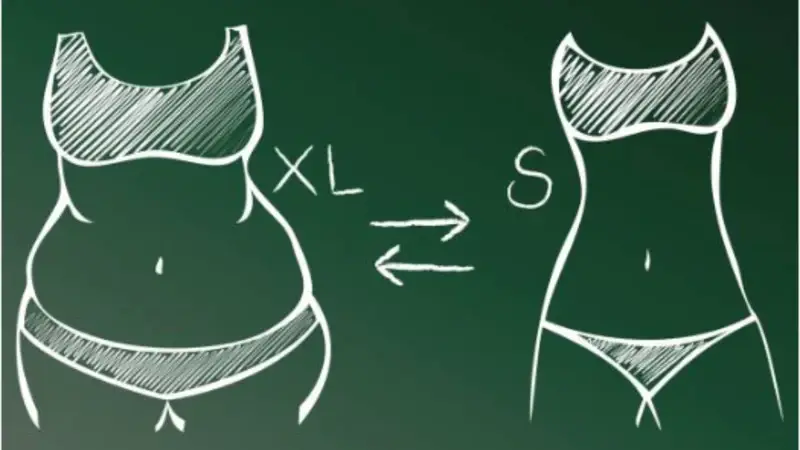
Body contouring is a common cosmetic treatment that reshapes the body by removing extra fat and skin tightening. It can be a life-changing event for people who have shed a lot of weight and want to get a more toned and defined body. But if you want to know how much body contouring costs.
The cost of body contouring treatments varies depending on several factors, including
The provider's experience and location
Combining Different treatments
Popular Body Contouring Surgeries And Their Cost
The most popular body contouring treatments are tummy tuck, liposuction, breast lift, arm lift, and thigh lift. The cost of each procedure varies depending on the extent and complexity of the surgery.
The cost of body contouring surgeries could include
Hospital or surgical facility expenses
The average cost of a thigh lift is $9,200. However, the price might range between $5,000 and $23,000 depending on the different factors discussed above.
According to thousands of recent patient reviews on RealSelf, the average cost of a breast lift is $7,775, but it can range anywhere from $3,869 to $16,000.
Popular Non-Invasive Body Contouring Procedures And Their Cost
Nonsurgical body contouring procedures include CoolSculpting, Laser Lipo, Emsculpt, Kybella, and Ultrasonic cavitation. Many physicians have patient financing options for non-surgical body contouring, so make sure to ask.
Non-surgical body contouring cost varies depending on several factors including
Qualifications and experience of the person doing the process
The time and effort required for treatment
The geographic office location
Combining multiple procedures according to your needs
CoolSculpting cost can range from $750 to $4,000 per session, depending on the applicators utilized and their extent. The total cost is also determined by the particular body area being treated. Fewer applicators and treatment sessions are required for smaller body areas, resulting in lower costs. CoolSculpting costs more when numerous body areas are treated.
A private certified dermatologist will typically charge more for a CoolSculpting procedure than a medspa with a technician doing the procedure. Almost all CoolSculpting treatment plans are less expensive than invasive body contouring treatments, and it is important to remember that CoolSculpting results are permanent, as long as you maintain your results by following a healthy lifestyle after treatment.
According to patient reviews on RealSelf, laser lipo costs $5,775 on average. However, the cost can range from $2,500 to $14,995 depending on the body area being treated.
The average cost of Emsculpt is $3,025. However, the cost can range from $1000 to $6,000 depending on the number of treatment sessions required. Each Emsculpt session lasts up to 30 minutes.
The average cost for Emsculpt Neo is $1,000 per session, with some clinics charging up to 50% more than the standard Emsculpt treatment session. This current technology is more expensive than the original device since it produces as much as 20 percent more electromagnetic pulses and uses radiofrequency energy to effectively remove fat and build muscle.
A course of four sessions is advised for the best results. If you want to maintain your results you will need to budget for maintenance treatments every six months.
The average cost of Kybella is approximately $1,350. However, a series of fat-dissolving injections can cost up to $3,400. The cost of Kybella may vary depending on the amount of fat bulge or submental fat in the target area. Larger areas of fat require more sessions and are more expensive to treat than smaller areas.
The average cost of ultrasonic cavitation is $725. However, the treatment cost can vary between $166 to $4,100, depending on the treatment area(s) and the number of sessions required. Compared to liposuction, fat cavitation is much more affordable because it doesn't require anesthesia. It's also a quicker and non-invasive treatment that doesn't need as much technical expertise. However, it's still important to choose an experienced practitioner to ensure the best results and avoid potential risks.
There are several body contouring machines and tools available for home use. These devices are beneficial when used correctly and can save you money in the long run since it is a one-time investment.
1. How long does it take to see results from non-invasive body contouring treatments?
The timeline to see results through non-invasive procedures varies depending on the specific treatment. While some people may notice changes shortly after treatment, it usually takes several weeks to months for optimal results to become visible. It's crucial to follow post-treatment instructions provided by your doctor to achieve the best possible results.
2. Are there any risks or side effects associated with body contouring?
Both surgical and non-surgical body contouring procedures have risks and potential side effects.
Surgical body contouring side effects include
Nonsurgical body contouring side effects include
It's crucial to thoroughly discuss potential risks with your healthcare provider and follow post-treatment care instructions to minimize complications.
3. Can body contouring procedures be combined?
Yes, you can choose to combine different body contouring procedures to get your desired results. However, combining procedures can affect the overall cost and recovery time. It's crucial to consult with a physician to determine the most suitable combination of treatments for your desired results.
Schedule consultations with multiple providers to discuss your needs and desired results.
Ask questions about the procedure and associated costs
Assess your overall comfort with the provider before making a decision
The practitioner should attentively listen to your needs and expectations, provide realistic advice, and assist you from the first visit through the treatment, recovery period, and long-term care.
5. Are body contouring results permanent?
Body contouring treatments, such as tummy tuck and liposuction, can provide long-term enhancements, particularly if you have a healthy lifestyle. While non-invasive treatments offer permanent fat reduction, some individuals may require maintenance sessions to maintain their results. A well-balanced diet and regular exercise can help to maintain body contouring results.
6. Can body contouring be done on any body type?
Body contouring treatments are customizable and a physician can customize treatments for different body types. However, the suitability of different procedures can vary depending on skin elasticity, overall health, and medical history.
7. What is the best age to have liposuction?
Liposuction is a common cosmetic surgery that involves a thorough evaluation of the patient's medical history as well as adequate skin elasticity, blood flow, and immune response to achieve the best results. The ideal age for liposuction is 18-50.
8. What's the difference between body contouring and skin tightening?
Both forms of procedures are quite effective and should be used simultaneously for the best outcomes. This is because, although body contouring helps remove stubborn fat pockets, skin tightening helps to tighten and tone for an overall more lifted and contoured appearance.
Body contouring treatments are often not covered by insurance. As a result, the costs must be considered before proceeding with the treatment. Many clinics provide financing alternatives, making it easier for patients to pay for their procedures over time.
Questions & discussion