
Beauty Guides
Can Sunscreen Dry Out Your Skin — Practical Guide
A practical guide to can Sunscreen Dry Out Your Skin. Compare the key concepts, product formats and points to check before choosing.
Reviewed by: Sophie Harrar, Medical Aesthetician
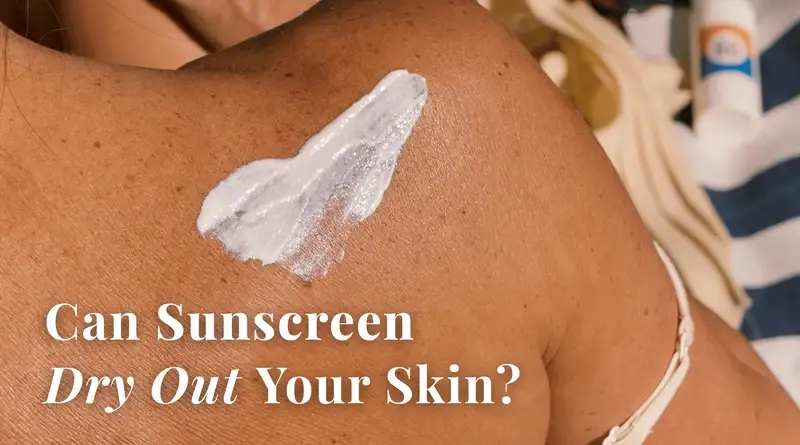
Can Sunscreen Dry Out Your Skin?
If you find your skin changes with the seasons, you’re not alone. Fluctuations in temperature, humidity, and sun exposure can affect everything from your skin’s tone and texture to its level of sensitivity.
In some cases, summer skincare products like sunscreen can contribute to skin changes like increased sebum production or its opposite, dryness. That’s right, the same product that protects your skin from the sun’s harmful rays could be drying out your skin.
it is useful to explore some of the signs your sunscreen is to blame for summer dryness and what you can do to fix it.
5 Signs Sunscreen is Drying Out Your Skin
There’s no denying that sunscreen is an essential element of any daily skincare routine, but even the best sunscreen isn’t perfect. That is, not every sunscreen is ideal for every skin type. Wearing the wrong sunscreen (or applying it incorrectly) could dry out your skin.
Here are some signs that suggest this may be what’s happening
Your skin develops a tight, uncomfortable feeling throughout the day despite wearing your normal moisturizer.
You notice patches of flakiness or redness on areas where you layer on sunscreen a little bit thicker.
Your skin looks healthy and hydrated when you wake up but starts to look tired or dull as the day progresses.
You find your makeup starts to look patchy and uneven on parts of your face when you apply it over sunscreen.
Your skin starts to feel itchy or mildly irritated a few hours after you apply sunscreen and it doesn’t go away until you cleanse in the evening.
Many things can contribute to dry skin but if your symptoms tend to ramp up during the summer, particularly on days when you’re regularly reapplying sunscreen, it’s worth taking a closer look at the sun protection product you’re using.
Wearing sunscreen that isn’t formulated for your skin type could very well contribute to dryness. Sunscreens formulated for oily and acne-prone skin, for example, tend to contain ingredients that help absorb surface oil. If your skin is already prone to dryness, this kind of sunscreen could be making matters worse.
It’s also possible that your skin is reacting to a specific ingredient in the sunscreen. Formulas marketed as being non-greasy (especially spray sunscreen) may contain alcohol to make them dry faster. Other ingredients like preservatives and synthetic fragrances can cause irritation or worsen dryness in some people.
If the sunscreen you’re using hasn’t previously caused dryness, it could be a problem with the product itself. When sunscreen expires, it may become less effective. In other words, you might be sustaining low-level UV damage on a daily basis and that’s what’s making your skin feel dry or irritated.
Check the expiration date on the package. Sunscreen generally remains effective for three years after manufacturing, but improper storage can cause it to degrade more quickly than usual.
Is Mineral Sunscreen Better for Dry Skin?
Sunscreen is generally divided into two categories: chemical and physical (also called mineral sunscreen). Chemical sunscreen utilizes active ingredients like oxybenzone, avobenzone, octisalate, and octocrylene which absorb UV rays and convert them into heat which dissipates harmlessly from your skin. Though often more water-resistant than mineral sunscreen, chemical sunscreen can sometimes irritate the skin or clog the pores because your skin is actually absorbing it.
Mineral sunscreen, typically made with zinc oxide and/or titanium dioxide, sits on top of your skin. It works by physically deflecting UV rays before they can be absorbed. This type of sunscreen is often recommended for sensitive skin and it generally lasts longer in direct UV exposure before degrading.
Because it contains zinc, a natural astringent (meaning it absorbs oil), mineral sunscreen may be more likely to dry out your skin than chemical sunscreen. However, if you’re currently using chemical sunscreen, it may be worth trying mineral sunscreen to see if it improves your symptoms. You might want to look for a formula infused with hydrating ingredients, in particular, to help prevent dryness.
Tips for Managing Dry Skin in the Summer
Whether you struggle with dry skin year-round or it’s only an issue in the summertime, there are some simple things you can do to help keep your skin hydrated. Here are the top tips
Always apply moisturizer first. After cleansing and applying serums or other treatments, apply your daily moisturizer and give it a few minutes to absorb before layering on sunscreen.
Choose a formula with hydrating ingredients. Many modern sunscreens are formulated to protect the skin’s moisture barrier (look for things like ceramides, hyaluronic acid, glycerin, and squalane).
Cleanse after wearing sunscreen. On pool days, rinse off when you’re done swimming to remove unneeded sunscreen and make sure to moisturize as well.
Treat your skin to moisturizing masks. Even when your skin is properly protected, sun exposure can strip your skin of its natural oils, so try adding a weekly moisture mask to your routine.
Make sure your sunscreen is strong enough. Skincare experts recommend sunscreen with a sun protection factor of 30 or higher. Anything less could subject your skin to sun damage that might worsen dryness.
Avoid overwashing your skin. While twice-daily cleansing is always recommended, avoid using hot water or harsh cleansers that might strip your skin of moisture.
Consider investing in a personal humidifier. Sunscreen might not be the only thing drying out your skin in the summer. If you suspect dry indoor air could be a factor, try setting up a humidifier by your bed or in your office.
Rather than skipping sunscreen entirely, shop for a formula that’s better suited to your skin. Check out the recommendations for the best sunscreen as a starting point.
When you’re ready to update your sun protection routine, make sure you’re signed up for rewards. You’ll earn points on every purchase to put toward discounts on future orders (along with other bonus benefits throughout the year).
Sophie Harrar, Medical Aesthetician
Sophia is a skincare specialist with over six years of experience, known for delivering personalized, results-driven treatments that help clients achieve healthy, radiant skin.
Where you buy skincare matters. Discover how ’s authorized sourcing, climate-controlled storage, and expert guidance help you shop...
Does Azelaic Acid Cause Purging?
Breaking out after starting azelaic acid? Learn how to tell potential purging from irritation, what changes to watch for, and...
Azelaic Acid 101: Benefits & How to Use It
how azelaic acid helps address acne, redness, and dark spots. Learn which strength to choose, how to use it,...
Questions & discussion