
Beauty Guides
Decoding Collagen Light Therapy for at-Home Facial Devices — Practical Guide
A practical guide to decoding Collagen Light Therapy for at-Home Facial Devices. Compare the key concepts, product formats and points to check before choosing.
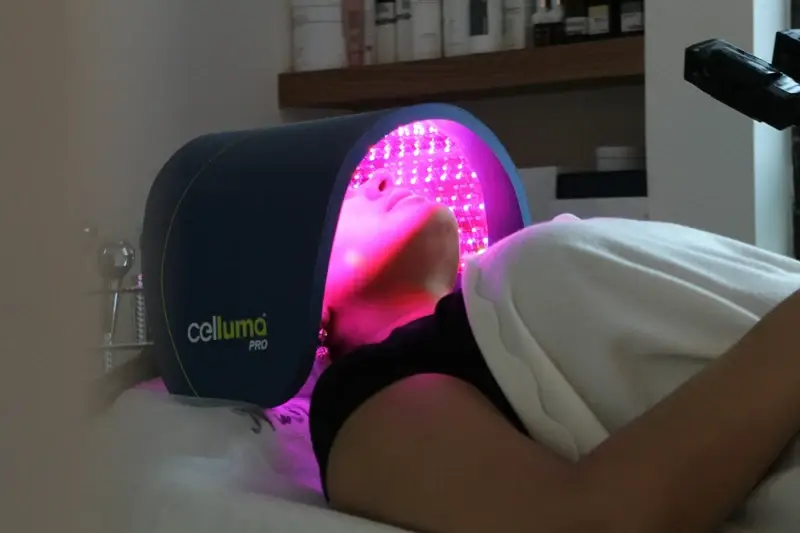
How Can Collagen Light Therapy Fit Into Your Skin Goals?
Collagen light therapy uses gentle red and near-infrared light at specific wavelengths to support a healthier-looking complexion over time. It does not feel hot or harsh; most people describe it as a soft, comfortable glow while they sit and relax.
What collagen light therapy can realistically help with
Softer texture and a smoother feel
Replace in-office treatments or surgery
It is best viewed as steady, supportive care for your skin, not a quick fix.
What Happens to Skin During Collagen Light Therapy Sessions?
When red and near-infrared light reach your skin, certain parts of your cells absorb that light energy. Those structures can respond to specific wavelengths in ways that may influence processes involved in skin maintenance and repair, including collagen production.
Collagen and elastin are key proteins that help skin feel firm, bouncy, and stretchy. Production of these proteins changes with age, sun exposure, and daily stressors. Light therapy does not create or replace collagen. Instead, it aims to work with your skin’s natural processes involved in collagen production and skin support, so that any changes develop gradually, not overnight.
Many people first notice a healthier-looking glow and softer feel. With consistent use over time, some may observe gradual changes in the appearance of fine lines and overall texture.
Use gentle, non-invasive devices specifically designed for at-home facial use
Follow the instructions in your device manual every time
Protect your eyes if your device guide recommends it, even if the light does not feel bright
Stop use if your skin feels irritated, very warm, or uncomfortable
People who should speak with a dermatologist or other qualified professional before starting include
Anyone on medications that can increase sun or light sensitivity
People with a history of strong reactions to sunlight
Anyone with active skin infections or open wounds in the area they plan to treat
When uncertain, getting a professional opinion first is a safer approach.
At-Home Light Therapy Devices vs. Spa or Clinic Treatments
At-home facial light therapy devices and professional spa or clinic treatments are related but serve different roles.
Use gentler intensity settings
Are used more frequently, in shorter sessions
Tend to deliver results that build gradually with consistent use
Professional treatments are usually
Performed less often, in scheduled visits
The trade-off is routine versus appointment-based care
At-home collagen light therapy typically involves several sessions per week, followed by a maintenance rhythm
Professional visits require fewer total sessions but involve set appointments and travel time
An at-home device may make sense if you
Want maintenance after past professional treatments
Are focused on prevention and gradual support
Have a busy schedule and prefer short sessions at home
Like building habits in your own space
A professional consultation may be more appropriate if you
Have deeper lines or more advanced texture changes
Have complex or active skin conditions
Are unsure what is driving your skin changes.
How Can You Build a Realistic Collagen Light Therapy Routine?
Most at-home light therapy devices recommend starting with several sessions per week, then shifting to a lower maintenance schedule. Always follow the exact timing and session length in your own device manual, since designs and recommendations vary by product.
If you are using light therapy in late summer or early fall, consider how it fits around sun exposure. The sun can still be strong even when the weather feels cooler.
Skip light therapy on sunburned or very irritated skin
Cleanse gently before your session, without harsh scrubs
Apply a simple, soothing moisturizer afterward
Use a broad-spectrum sunscreen every morning, especially if you plan to spend time outdoors
First few weeks: skin may look a bit more radiant and feel softer or more hydrated
Over the next few months: you may see gradual shifts in how fine lines and overall texture appear
These changes are often subtle and build with consistency.
Do You Need Special Skincare Products with Your Light Therapy Device?
Collagen light therapy can be used on its own, but pairing it with supportive skincare can help your skin look and feel its best. You do not need an extensive routine, only products that suit your skin type and tolerance.
Helpful products to pair with at-home light therapy often include
Gentle, non-stripping cleansers
Barrier-supporting moisturizers with ingredients like ceramides or soothing oils
Daily broad-spectrum sunscreen to help protect the collagen and overall skin health you are working to support
Products that are typically more comfortable around LED-style light therapy devices tend to be simple and non-irritating.
On days you use your device, it is usually smart to avoid applying immediately before or after your session
High-strength exfoliating acids
Retinoids applied in the same routine
Heavy fragrance if your skin tends to be reactive
Sun, retinoids, and exfoliating acids can all increase sensitivity. If your face feels tight, flushed, or stinging, reduce how many actives you use and consider spacing them away from light therapy sessions, either at a different time of day or on alternate days, so your skin can stay comfortable.
How Can You Choose the Right at-Home Collagen Light Therapy Device?
Choosing a device that fits your life is just as important as the technology itself.
Do you want a device for the face only, or one that also works on the neck or other areas?
How many minutes can you realistically commit per session, several times per week?
Do you prefer a hands-free design, or are you comfortable holding a device during each session?
Is the shape designed to fit your face comfortably (including around the eyes, nose, and jawline)?
Is it straightforward to clean and store between uses?
Does the recommended session length match how long you are willing to sit still?
If you travel often, is the device portable enough for your routine?
If you have sensitive skin, a tendency toward redness, or you are brand new to collagen light therapy, speaking with a brand specialist before you decide can help you choose a device and routine that align with your skin and your schedule.
At ., we focus on at-home devices, red light therapy systems, facial tools, and supportive topical products, and we look at how a device fits into real life, not just how it appears in photos.
How Can You Personalize Your Collagen Light Therapy Plan?
Personalizing your plan starts with noticing what concerns you most when you look in the mirror: is it texture along the cheeks, post-sun dullness, or early fine lines around your eyes and mouth?
Collagen light therapy can play a consistent, supportive role in those everyday concerns when it matches your habits and expectations.
Remember that at-home devices depend on regular use, not perfection
Expect gradual, not dramatic, changes in glow, texture, and fine lines
Pair your device with gentle, supportive skincare and sun protection
With that approach, many people find that their skin slowly looks more rested and more at ease over time. If you would like help choosing a device or shaping a realistic plan, the team at . can offer evidence-based, empathetic guidance that aligns with your goals and your skin’s comfort level.
Reveal Firmer, Healthier-Looking Skin Starting Now
Experience how targeted collagen light therapy can support smoother texture, improved tone, and a more radiant complexion with . the team has designed this treatment to fit easily into your routine so you can care for your skin consistently at home. ← Speak With a Specialist
Questions & discussion