
Beauty Guides
Does Microneedling at Home Really Work — Practical Guide
A practical guide to does Microneedling at Home Really Work. Compare the key concepts, product formats and points to check before choosing.
01 What Is Microneedling at Home and How Does It Work?
02 What Does Microneedling Do For the Skin?
03 What is the Difference Between At-Home Microneedling and In-Clinic Microneedling?
04 How Does At-Home Microneedling Work?
05 Does At-Home Microneedling Really Work?
06 What is the Best At-Home Microneedling Device?
07 Are There Risks or Side Effects of At-Home Microneedling?
08 The Takeaway: What You Should Know About At-Home Microneedling
What Is Microneedling at Home and How Does It Work?
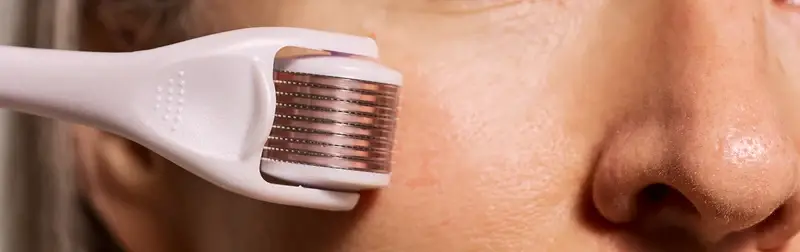
Microneedling is a skin rejuvenation and anti-aging technique that uses tiny needles to create micro-injuries to the skin by rolling or stamping a device. It can be carried out in a clinic or with a device designed for at-home treatments. As these micro-injuries heal, the collagen regeneration process is activated, and the skin barrier is temporarily impaired to allow for the more effective delivery of active ingredients into the skin. The collagen repair process is linked to the treatment of fine lines, scarring, texture, dullness, enlarged pores, and other signs of skin aging.
What Does Microneedling Do For the Skin?
Microneedling is a very versatile treatment with a wide range of applications. This is largely linked to the reparative effects of microneedling, so it will typically target your skin's primary concern by repairing the skin barrier to improve
Scars (including acne scarring)
Microneedling also enhances skincare penetration post-treatment, ensuring that nourishing ingredients are properly absorbed into the skin. It is essential to assess the strength of certain actives, such as retinol, vitamin C, or topicals containing exfoliants like AHA and BHA, as applying these after microneedling could irritate the skin. Focus on nourishing and hydrating ingredients post-microneedling, such as hyaluronic acid, ceramides, and niacinamide.
What is the Difference Between At-Home Microneedling and In-Clinic Microneedling?
While the underlying concept is the same for both at-home and in-clinic, in essence, using micro-needles to trigger the skin repair process, there are some differences between the two treatments.
Table summary: At-home microneedling is an accessible, affordable, and empowering way to support your skin's natural renewal. In-clinic, microneedling is more effective for specific skin concerns such as deep scarring or persistnet melasma.
How Does At-Home Microneedling Work?
At-home microneedling involves using a dermaroller or stamping pen to create wounds in the skin. For safety, the needle length is typically shorter than that used in professional settings (0.25 - 0.5mm). At-home microneedling offers a controlled method of superficial skin stimulation, encouraging collagen and elastin synthesis through repeated, low-depth micro-injuries. This gradual process helps to preserve skin firmness, improve texture, and delay visible signs of aging such as fine lines and mild laxity. As a cost-effective, maintenance-focused treatment, it functions best as a preventative measure within a long-term anti-aging regimen.
Does At-Home Microneedling Really Work?
Clinical studies suggest that regular, low-depth microneedling may help
Reduce the appearance of fine lines
Enhance the penetration of active skincare ingredients
Support early prevention of age-related changes
While results are typically more gradual and subtle than in-clinic treatments, at-home microneedling offers a safe, accessible, and cost-effective method for long-term skin maintenance when performed with proper hygiene and technique.
What is the Best At-Home Microneedling Device?
For those looking to try at-home microneedling, a 0.25mm microneedling roller is a great place to start. This needle length effectively reaches the epidermal skin layer without causing deeper trauma, requiring downtime and irritation. You also want to look for a device with titanium needles over stainless steel.
Titanium is significantly stronger and more corrosion-resistant than stainless steel. It doesn’t degrade as quickly with repeated use, meaning the needles stay sharp and effective longer. This is especially important for home devices that are reused over time. A dull or bent needle (more common with lower-quality stainless steel) can drag or tear the skin, increasing irritation and reducing results. Titanium holds its shape better under pressure, ensuring precise, consistent punctures that stimulate the skin without causing scratches, leading to improved collagen production and smoother results.
Titanium is also non-porous and resistant to rust, making it easier to keep clean and safe between uses. While stainless steel is still widely used in clinical settings, it requires stricter sterilization and is more prone to degradation without it. For at-home use, we really encourage titanium because it provides peace of mind and reduces the risk of contamination.
Are There Risks or Side Effects of At-Home Microneedling?
Yes, even though the needles are typically very shallow, you are still working with needles, and precautions should be taken. Improper use and sterilization and aftercare mean at-home microneedling often gets a bad rap.
Infection, if devices are not properly sterilized before and after use
Inflammation, if conducted over active acne or other skin wounds
There is a risk of post-inflammatory hyperpigmentation for those with Fitzpatrick skin type V or darker.
The Takeaway: What You Should Know About At-Home Microneedling
At-home microneedling with a 0.25mm titanium needle device offers a safe, effective, and affordable way to support your skin’s natural renewal process. By gently stimulating collagen production and improving skin texture, this treatment helps reduce the appearance of fine lines, enlarged pores, and mild scars.
While in-clinic microneedling remains the best option for addressing deeper concerns such as severe scarring or pigmentation, at-home microneedling provides an accessible maintenance solution that complements your skincare routine in the longer term.
To maximize benefits and minimize risks, it’s crucial to follow proper hygiene, use devices with high-quality titanium needles, and tailor post-treatment care with hydrating, gentle skincare products. Remember to avoid microneedling over inflamed or compromised skin and be cautious if you have darker skin tones to reduce the risk of post-inflammatory hyperpigmentation.
Overall, regular, low-depth microneedling can be an empowering addition to your anti-aging regimen, improving skin health gradually and safely.
The Derma Roller | 540 Titanium Microneedle Facial Tool
0.25mm microneedling device to boost collagen and improve skin elasticity by boosting skin's natural healing process
Questions & discussion