
Beauty Guides
Exclusive Beauty Blog — Practical Guide
A practical guide to exclusive Beauty Blog. Compare the key concepts, product formats and points to check before choosing.
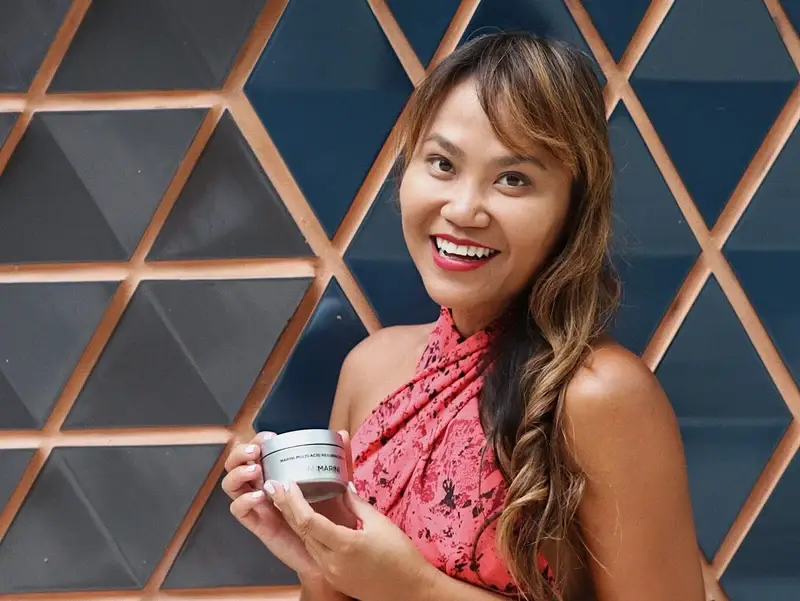
Youthful skin looks glowing and radiant. When the skin quality is healthy, it reflects the light and looks radiant and luminous. Exfoliants increase cell turnover, unclog pores, resulting in a more polished, smoother-looking, and more youthful-appearing skin. Exfoliation is very beneficial because it imparts almost an instant glow, is cost-effective, as well as being easy to perform.
There are two main types of exfoliants: chemical and physical. Hydroxy acids, also known as fruit acids, are the most used chemical exfoliants. There are two types of hydroxy acids: alpha and beta. Glycolic, lactic, and malic acids are the most common alpha hydroxy acids and salicylic acid is the most commonly used beta hydroxy acid.
Some fruit enzymes such as papain from papaya, bromelain from pineapple, and pumpkin extract have exfoliative properties as well. They have been shown in numerous studies to not only remove the uppermost layer of dead skin cells, but they can also decrease skin scaling and dryness.
Physical exfoliants can consist of microparticles that can cause immediate exfoliation of the uppermost skin layer. These microparticles mechanically slough off dead skin cells and unclog pores.
One important thing of note when dealing with exfoliants, is vigilant sun protection, especially with increased cell turnover. Furthermore, UV-induced sun damage directly contributes to the breakdown of collagen and elastin, which leads to wrinkles, as well as age spots and skin cancers.
Written by: Paula Purpera IG: @paulasperfectpout
Del Rosso J. Q. (2013). Application of protease technology in dermatology: rationale for incorporation into skin care with initial observations on formulations designed for skin cleansing, maintenance of hydration, and restoration of the epidermal permeability barrier. The Journal of clinical and aesthetic dermatology, 6(6), 14–22.
Moghimipour E. (2012). Hydroxy Acids, the Most Widely Used Anti-aging Agents. Jundishapur journal of natural pharmaceutical products, 7(1), 9–10.
Rodan, K., Fields, K., Majewski, G., & Falla, T. (2016). Skincare bootcamp: the evolving role of skincare. Plastic and Reconstructive Surgery Global Open, 4(12 Suppl).
Questions & discussion