
Beauty Guides
Exclusive Beauty Blog — Practical Guide
A practical guide to exclusive Beauty Blog. Compare the key concepts, product formats and points to check before choosing.
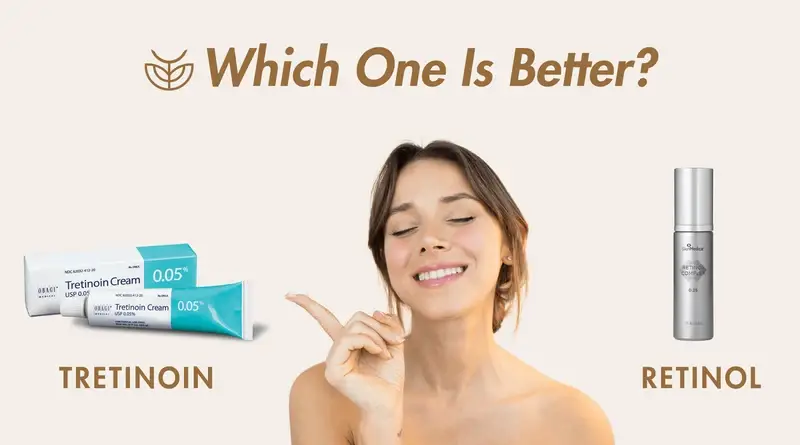
Both tretinoin and retinol are sourced from vitamin A, but they work differently and offer unique benefits for your skin. Whether you’re looking to clear acne, smooth wrinkles, or improve overall skin texture, knowing how these two ingredients work can help you decide which one is right for you. it is useful to take a closer look.
Always consult your doctor or dermatologist before trying new products or treatments
Is Tretinoin or Retinol Better?
Tretinoin is a stronger, prescription-only treatment that works faster than retinol but can cause more irritation. Retinol, on the other hand, is available over the counter and tends to be gentler, making it a great option for beginners or sensitive skin .
If you’re struggling with stubborn acne or deep wrinkles, tretinoin might deliver faster results. However, if you’re looking for gradual improvements with less irritation, retinol may be the better choice.
You should also consider how much time you’re willing to commit to your skincare routine. Tretinoin often requires a more structured regimen, including slower introduction and extra moisturizing to minimize side effects. Retinol, by comparison, offers more flexibility, making it easier to add into your routine without the need for as much adjustment.
6 Key Differences Between Tretinoin & Retinol
One of the biggest differences between tretinoin and retinol is their strength.
Tretinoin (also known as all-trans retinoic acid) is a prescription-strength retinoid. Your skin can use it immediately because it doesn’t need to be converted into active vitamin A.
Retinol must first be converted into retinoic acid within your skin, which makes it less potent but also less irritating
Because tretinoin works faster and penetrates deeper, it’s often recommended for more advanced skin concerns like severe acne, deep wrinkles, and hyperpigmentation.
Retinol, while gentler, is an excellent starting point for those new to retinoids or with sensitive skin, allowing gradual improvement without the risk of irritating your skin.
You can only get tretinoin cream with a prescription from your doctor. This is because it’s a more powerful treatment that requires careful monitoring.
Retinol serum, however, is available over the counter and can be found in a variety of formulations and strengths.
The availability of retinol in different forms—such as creams, serums, and oils—also makes it easier to find a product that fits your specific skin type and routine. Whether you need a lightweight serum for oily skin or a rich cream for dry skin, there’s a retinol option for you.
With tretinoin, you may need to experiment with different strengths and application frequencies under your doctor’s guidance to achieve the best results.
Recommended : Does Retinol Expire?
Both ingredients are effective for treating acne, wrinkles, and hyperpigmentation, but their uses may vary
Retinol – It’s popular for anti-aging and reducing fine lines over time without causing much irritation.
If you’re not sure which one fits your needs, you might want to start with retinol and work your way up to tretinoin under your dermatologist’s supervision.
In addition to treating acne and wrinkles, both tretinoin and retinol can help improve skin texture and tone by promoting cell turnover. This makes them useful for fading dark spots , smoothing rough patches, and minimizing the appearance of large pores.
However, tretinoin may be better suited for stubborn discoloration and scarring, while retinol offers a gentler approach for general skin maintenance and brightening.
Recommended : Retinol vs Vitamin C: Which One or Should You Use Both?
Since tretinoin is more potent, it tends to deliver results faster. Many people notice improvements in acne and wrinkles within 6–8 weeks.
Retinol works more gradually, often taking 3–6 months to produce visible changes. While it requires more patience, retinol’s gentler approach may be better for long-term use.
Consistent application is key with both treatments, as their benefits build over time. Additionally, combining either product with a well-rounded skincare routine, including sunscreen and moisturizer , can enhance results and help protect your progress.
Because of its strength, tretinoin is more likely to cause irritation, dryness, and peeling—especially during the first few weeks of use.
Retinol has fewer potential side effects, making it ideal for sensitive skin or those new to retinoids.
Pro Tip: No matter which option you choose, always apply sunscreen during the day. Both ingredients can make your skin more sensitive to the sun.
It’s also important to introduce these products slowly to minimize irritation. Start by applying them 2–3 times per week and gradually increase frequency as your skin adjusts.
Pairing tretinoin or retinol with a gentle cleanser and a rich moisturizer can help reduce dryness and support your skin’s barrier during the adjustment period.
If redness or peeling becomes severe, take a short break before resuming use or consult your dermatologist for guidance.
Tretinoin cream can be more expensive since it requires a prescription , while retinol serum is widely available and comes at various price points to fit any budget.
In addition to the initial cost of tretinoin, you may also need to budget for follow-up appointments with your dermatologist to monitor your skin’s progress and adjust your treatment plan.
Retinol, on the other hand, is more accessible and often included in multi-ingredient products, giving you more flexibility to combine it with other skincare treatments without breaking the bank.
If you’re looking for a cost-effective way to start using retinoids, retinol serums may be the better choice.
Why Is Tretinoin Only Available With a Prescription?
If you’re considering tretinoin, you’ll need to schedule a consultation with your dermatologist. They can help determine the right strength and frequency for your skin type and goals.
Since tretinoin can interact with other skincare products or medications, having professional guidance ensures you avoid potential complications.
Your dermatologist may also recommend starting with a lower concentration or combining it with soothing ingredients, like hyaluronic acid or niacinamide , to reduce irritation and improve results.
Tretinoin vs Retinol for Wrinkles
When it comes to smoothing fine lines and wrinkles, both options are effective, but tretinoin typically works faster due to its potency.
Tretinoin stimulates collagen production and speeds up cell turnover, making it ideal for more advanced signs of aging.
Retinol provides gradual results and may be better for mild wrinkles or as a preventative treatment.
If you’re looking for an entry-level anti-aging solution, a retinol serum may be your best bet. If you’re ready for something stronger, ask your dermatologist about tretinoin cream.
Both tretinoin and retinol can unclog pores and reduce breakouts , but tretinoin is often recommended for moderate-to-severe acne.
Retinol is effective for mild acne and can help keep your skin balanced and clear over time.
For stubborn acne, tretinoin may be worth discussing with your doctor. If you prefer an over-the-counter solution, start with retinol and see how your skin responds.
It's important to note that while retinol is gentler and less likely to cause irritation, it may take longer to show results compared to tretinoin. If you're dealing with cystic acne or more persistent breakouts, tretinoin may offer faster, more noticeable improvements.
However, with consistent use, retinol can still help keep your skin clear and help prevent future breakouts.
How to Choose Between Tretinoin and Retinol
If you’re not sure which one to try, ask yourself these questions
Is your skin sensitive? – Start with retinol to avoid irritation.
Do you need fast results? – Tretinoin may be better for quick improvements.
Are you treating acne or aging? – Tretinoin is stronger, but retinol is versatile and beginner-friendly.
What’s your budget? – Retinol serums are widely available and affordable, while tretinoin may require doctor visits and prescriptions.
Additionally, consider how much time you're willing to commit to your skincare routine.
Tretinoin requires more care and consistency, as it can take time for your skin to adjust, and it often involves frequent moisturization and sun protection.
Retinol, on the other hand, is easier to incorporate into a regular skincare regimen without the need for as much adjustment, making it a convenient long-term option for those looking for gradual improvements.
Want to see which retinol serums might be best for you? Check out the Retinol Collection today!
Questions & discussion