
Beauty Guides
Exclusive Beauty Blog — Practical Guide
A practical guide to exclusive Beauty Blog. Compare the key concepts, product formats and points to check before choosing.
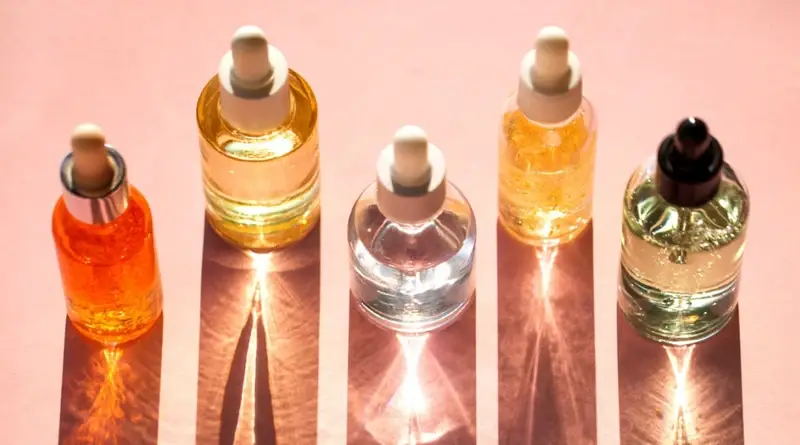
Your best bet for keeping your skin healthy and young is these well-researched anti-aging ingredients that dermatologists recommend time and time again.
You can have your skincare layering down to pat, and be applying the best of the best serums, but if you don’t have a good sunscreen (that’s SPF 30 or more, according to the American Academy of Dermatology Association) then your whole routine is canceled.
It may not sound, feel or smell very glamorous, but without sunscreen, all other products you’re using will be counteracted by the damage from UV light exposure. Sunscreen not only products your skin DNA from damage, it also gives your skin time to reset, regenerate, which in turn helps prevent the formation of wrinkles. Studies have found that up to 80 percent of visible skin aging comes from sun exposure, and when it comes to anti-aging, prevention truly is key.
That being said, retinol can be harsh on sensitive skin, and can increase skin sensitivity to sun exposure. So, it’s important to find a retinol serum whose formulation incorporates antioxidants and other soothing ingredients that strengthen the moisture barrier.
Vitamin C is a potent antioxidant, which means it protects the skin from free radicals — unstable oxygen molecules that break down skin cells and cause wrinkles. Studies have found that Vitamin C may help protect skin from sun damage and reduce fine lines and wrinkles. Vitamin C also helps build collagen, and can help skin deal with hyperpigmentation.
For an even more powerful vitamin C combo, look for vitamin C serums formulated with ferulic acid. Ferulic acid not only helps to stabilize vitamin C formulas, but it's also a powerful antioxidant in its own right. An older 2005 study found that ferulic acid has the potential to offer twice the amount of photoprotection when combined with vitamins C and E.
While epidermal growth factors don’t receive as much buzz as other trendy active ingredients, there’s been a lot of discussion in the dermatological community about what they can do to help regenerate and grow new cells.
Growth factors are natural proteins produced by the skin that promote skin’s homeostasis and have been proven to increase structural proteins like collagen and elastin They can promote wound regeneration, growth of blood vessels and wound healing. In simpler terms, growth factors can act as a healing agent.
A good rule of thumb when adding growth factors into your routine is that they’re best used at night, when your skin is already in repair and regeneration mode.
Peptides are the building blocks of proteins, and some studies have shown peptides to be effective when it comes to anti-aging. Certain peptides are able to stimulate collagen production and have been proven to improve skin texture and wrinkling. Using a serum or moisturizer that contains peptides can lead to firmer, younger-looking skin and maybe even fewer breakouts.
Additionally, peptides work well in tandem with other ingredients, including vitamin C, niacinamide, antioxidants, and hyaluronic acids.
For a fairly unassuming skincare ingredient, hyaluronic is one of the best anti-aging ingredients out there. It helps hydrate the skin and delivers an immediate plumping effect on fine lines and wrinkles.
Why’s hyaluronic acid so magical? For starters, it can bind up to 1000 times its weight in water. In other words, it functions as a humectant and holds water molecules onto the surface of your skin to keep it nice and hydrated. Lastly, studies have found that skincare cream and products formulated with hyaluronic acid significantly improve skin’s hydration and overall elasticity.
Alpha-hydroxy acids like glycolic acid, lactic acid, and azelaic acid help to get rid of dead skin cells and resurface new skin. Research has shown that glycolic acid and other alpha-hydroxy acids (AHAs) can boost skin elasticity while diminishing wrinkles and fine lines. However, there can be too much of a good thing. Too much glycolic acid can lead to skin irritation and hypersensitivity to damaging UV rays.
Your best bet is to ask a dermatologist to help you find the right glycolic acid concentration for your goals, and to start with gentle formulas with a low concentration while your skin gets used to it.
This common ingredient is actually a form of vitamin B3. Studies have found that applying a 4–5 percent niacinamide topical can boost skin elasticity while reducing the appearance of wrinkles. The same study found that using 4% niacinamide can fade dark spots, a classic sign of UV-related skin aging. Lastly, another study says niacinamide can fortify your skin barrier, locking in fine line-plumping hydration.
Thankfully, it’s easy to find serums and creams that contain niacinamide. When shopping, look for 5% formulations.
Questions & discussion