
Beauty Guides
HIFU Machines: Are They Worth the Money in 2026 — Practical Guide
A practical guide to hIFU Machines: Are They Worth the Money in 2026. Compare the key concepts, product formats and points to check before choosing.
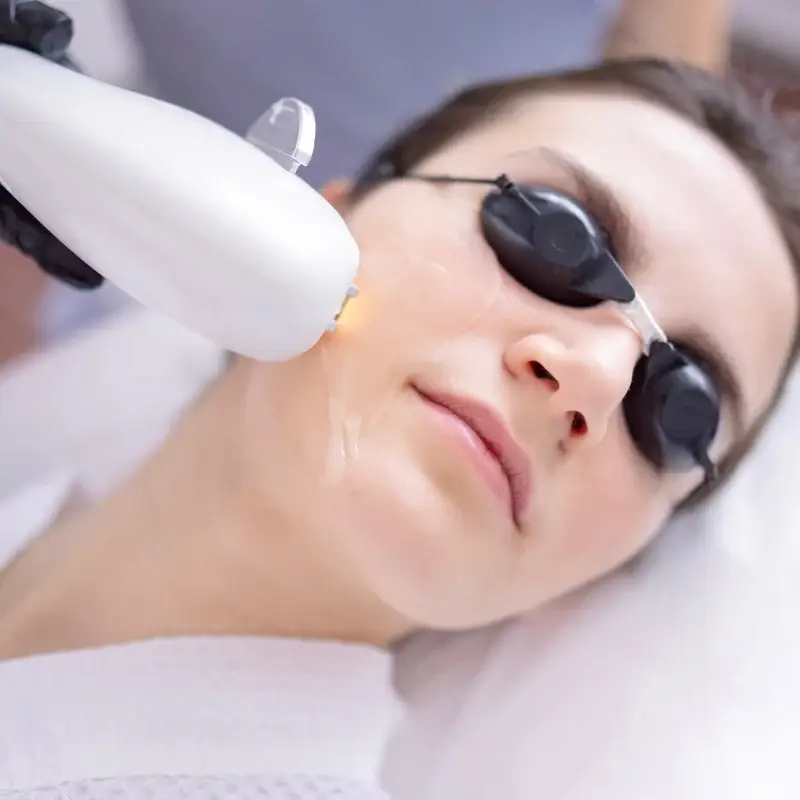
In the ever-evolving world of non-invasive cosmetic treatments, HIFU—short for High-Intensity Focused Ultrasound—has taken center stage. Marketed as a non-surgical facelift alternative, HIFU promises tighter, smoother, and younger-looking skin without needles, downtime, or drastic procedures. But with devices ranging from $200 to over $5,000 and professional treatment packages costing hundreds to thousands of dollars, many are left wondering: Are HIFU machines really worth the money in 2026?
In this in-depth guide, we'll explore what HIFU technology is, how it works, what results you can expect, who it's best for, and whether investing in a HIFU machine or treatment is a smart decision in 2026.
HIFU stands for High-Intensity Focused Ultrasound, a technology that uses focused sound waves to penetrate deep into the skin's layers. It targets the SMAS (Superficial Musculo-Aponeurotic System) layer—the same layer addressed during surgical facelifts.
Unlike lasers or radiofrequency treatments that work on the surface or mid-layers of the skin, HIFU delivers precise ultrasound energy at depths of 1.5 mm, 3.0 mm, and 4.5 mm, heating tissue to around 60–70 °C. This heat creates controlled micro-injuries, stimulating a natural healing process that promotes collagen regeneration and skin firming.
What Are HIFU Machines Used For?
HIFU is used primarily for facial rejuvenation and tightening. Common treatment areas include
Reduces fine lines and wrinkles
Defines jawline and cheek contours
Lifts hooded eyes and tightens the brow area
Improves skin texture and elasticity
Tightens loose skin under the chin
Addresses mild skin laxity on arms, thighs, and stomach
Non-surgical tightening for post-pregnancy skin
Improves skin tone after weight loss
Types of HIFU Machines in 2026
1. Professional-Grade HIFU Machines
Used in medical spas and clinics, professional-grade machines feature higher energy output, deeper penetration, and multiple cartridges for different depths. Retail prices typically range from $3,000–$15,000. Professional treatment sessions cost $400–$1,500 depending on the area treated. Browse the full professional HIFU machine collection for clinic-ready options.
Home-use HIFU devices have grown in popularity, offering compact, lower-powered alternatives for maintenance and mild improvement. Typical price range: $200–$1,500. Best suited for maintaining results between professional sessions.
Mid-tier machines combining HIFU with RF or EMS deliver enhanced multi-modal results and are increasingly popular in salon and advanced home settings. Typical price range: $800–$3,000. The 7-Cartridge HIFU Machine (from $1,399) covers 1.5 mm, 3.0 mm, and 4.5 mm depths for full face and neck protocols.
Are HIFU Treatments Effective?
The short answer is yes—when performed correctly and on the right candidate.
Published clinical studies and real-world results indicate HIFU can
Improve skin elasticity and visible lift
Reduce wrinkles and fine lines
Deliver noticeable firming over 2–3 months
Provide results lasting 6–12 months (sometimes longer with maintenance)
Clinical evidence is solid: a 2025 systematic review of 16 studies found 92% of patients showed improvement in skin tightening or wrinkle reduction at 90 days, sustained up to one year (Contini et al., PMC9861614). A 75-patient face-and-neck study reported physician-assessed improvement above 80% in every treated area and patient satisfaction above 78% (Serdar et al., 2019). Individual results vary based on age, skin condition, device quality, number of sessions, and lifestyle factors.
HIFU vs. Other Skin Tightening Treatments
Want the full head-to-head? See the dedicated guide: HIFU vs RF Skin Tightening: Which Is Right for You?
Mild redness or swelling (usually resolves within hours)
Tingling or tenderness (may persist for a few days)
Rare temporary numbness or superficial bruising
Important safety caveats: When used improperly—particularly with low-quality or uncertified machines—there is risk of burns, unintended fat reduction in treated areas (including cheeks), and uneven results. Professional-grade machines should only be operated by trained practitioners. At-home devices must be used strictly per manufacturer instructions. Always consult a licensed professional before beginning HIFU treatments if you have active skin conditions, metal implants in the treatment area, pregnancy, or other medical contraindications.
Are At-Home HIFU Machines Worth It in 2026?
At-home HIFU devices continue to improve, and in 2026 several well-rated options are safe, user-friendly, and appropriate for maintenance and mild improvement between professional sessions.
Cost-effective over time compared to repeated clinic visits
Convenient—use on your own schedule
Ideal for maintaining results between professional treatments
Non-invasive with minimal downtime
Lower energy output than professional-grade devices
Results are more gradual and subtle
Require consistent, repeated sessions
Technique matters—improper use reduces effectiveness and may cause discomfort
For significant lifting or moderate to severe laxity, professional treatment from a trained practitioner is likely to deliver better outcomes.
What to Look for in a HIFU Machine
Whether buying for clinic or personal use, evaluate these key specifications
Cartridge depths: 1.5 mm, 3.0 mm, and 4.5 mm for face and neck coverage
Adjustable energy output for different skin types and areas
Safety features: auto shut-off, temperature sensors, skin-contact detection
Verified reviews and clinical backing
Warranty and after-sales support
Multifunction options: e.g., RF, EMS, or LED combination modes
Cost Breakdown: Clinic Treatment vs. Buying a Machine
For long-term users, spa owners, or aestheticians performing regular treatments, investing in a quality machine typically delivers a strong return—if used consistently.
Are HIFU Machines Worth the Money in 2026?
You're likely to benefit from HIFU if you
Are experiencing mild to moderate skin laxity
Prefer non-invasive, no-downtime solutions
Want to delay or avoid more invasive cosmetic procedures
Are a spa owner or aesthetician looking to expand treatment offerings
Plan to use the device consistently over time
HIFU may not be the best fit if you have severe skin laxity, active skin infections, metal implants in the treatment area, or certain medical conditions. Always consult a licensed professional if you are unsure whether HIFU is appropriate for your situation.
Ready to explore your options? Browse the full range of professional HIFU machines, or start with one of these featured models
7-Cartridge HIFU Machine for Skin Rejuvenation — multi-depth face & neck coverage, from $1,399
7D HIFU Machine with 2 Handles & 7 Cartridges — dual-handle salon system for face & body, from $1,400
2-in-1 HIFU Machine for Facial & Body Tightening — versatile combo device, from $1,500
All machines ship from the verified warehouse with full product support. Questions? Contact the team before purchasing to confirm the right device for your treatment goals.
What Is a HIFU Machine for Skin Tightening? — principle, results & side effects
HIFU vs RF Skin Tightening: Which Is Right for You?
What to Expect During a Non Surgical Face Lift
Questions & discussion