
Beauty Guides
Hot Air Brush vs Thermal Brush: Which Is Better — Practical Guide
A practical guide to hot Air Brush vs Thermal Brush: Which Is Better. Compare the key concepts, product formats and points to check before choosing.
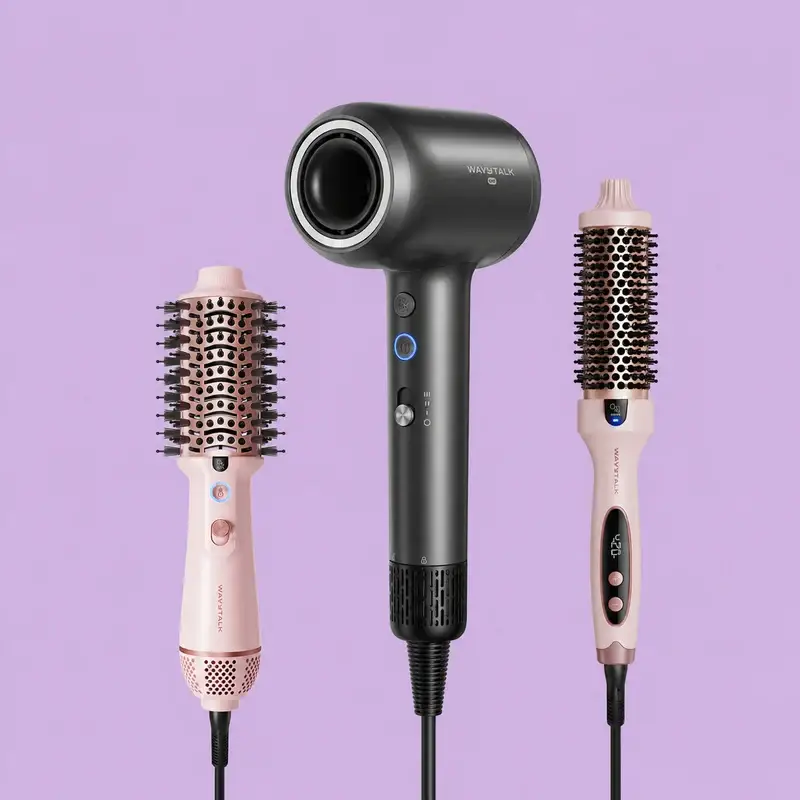
If you are comparing a hot air brush vs thermal brush, the most important difference is airflow. A hot air brush blows heated air through or around a brush head so it can help dry and style damp hair at the same time. A thermal brush heats its barrel or styling surface but does not blow air, so it is designed primarily for shaping, smoothing and adding volume to hair that is already dry.
That one difference changes almost everything about how the tools fit into your routine. A hot air brush is usually a wash-day styling tool. A thermal brush is more useful when your hair is already dry and you want to refresh volume, smooth frizz, reshape your ends or bring a blowout back to life.
In this guide, we compare hot air brushes and thermal brushes by drying ability, styling results, hair type, heat exposure, ease of use, brush size and everyday convenience so you can decide which tool actually fits the way you style your hair.
Hot Air Brush vs Thermal Brush: Quick Answer
Choose a hot air brush if your hair is damp and you want to dry and style it in the same routine. Choose a thermal brush if your hair is already dry and you mainly want to smooth, shape, curl, add bounce or refresh a blowout.
If you are standing in front of the mirror with freshly washed, damp hair, a hot air brush is generally the more logical choice. If your hair is dry but has lost its shape overnight, a thermal brush is usually the more useful tool.
A hot air brush combines a brush head with heated airflow. You may also see similar tools described as a hair dryer brush, blow dryer brush or blowout brush. Designs vary, but the defining feature is that the tool actually moves air while you brush and shape the hair.
That airflow allows a hot air brush to remove moisture while the brush creates tension, lift and shape. Instead of holding a traditional hair dryer in one hand and a round brush in the other, you can perform both jobs with one tool.
A hot air brush can be especially useful when you want to
Dry damp hair while styling it.
Create root lift and a rounded blowout shape.
Smooth the lengths while removing moisture.
Bend the ends inward or outward.
Stretch wavy or curly hair into a smoother blowout.
Simplify a routine that normally requires a dryer and separate brush.
For best efficiency, start with hair that is damp rather than dripping wet. Removing excess water first means the brush does not have to spend as long drying each section.
If you want to browse this tool category, see 's hair dryer and hot air brush collection. If you are still deciding between this type of tool and a traditional dryer, the hot air brush vs hair dryer guide covers that comparison separately.
A thermal brush is an electric styling brush with a heated barrel or heated styling surface. Unlike a hot air brush, it does not use blow-dryer airflow.
The heat helps already-dry hair become easier to shape as you brush, roll, or glide through each section. Depending on the barrel and brush design, a thermal brush can create smooth ends, root lift, soft curls, loose bends or a polished blowout effect.
A thermal brush is especially useful when you want to
Refresh dry second-day or third-day hair.
Add volume back to flattened roots.
Smooth dry frizz and flyaways.
Shape curtain bangs and face-framing layers.
Turn straight ends inward or outward.
Create soft curls or bouncy movement without blow-dryer airflow.
A thermal brush should not be treated as a hair dryer. If your hair is wet or damp, dry it first and then use the thermal brush for styling.
For a deeper explanation, read what a thermal brush is and how it works. If you already own one and want technique guidance, see the step-by-step thermal brush tutorial.
You can also explore 's thermal brush collection to compare available barrel sizes and designs.
Hot Air Brush vs Thermal Brush: Key Differences
This is the easiest way to tell the two tools apart.
Hot air brush: uses heated airflow.
Thermal brush: heats the styling surface but does not blow air.
If you are unsure which tool you already own, turn it on. If air moves through the brush head, it belongs in the hot air brush or hair dryer brush category. If the barrel simply heats up, it is a thermal brush.
A hot air brush is intended to help finish drying hair, so it belongs earlier in your routine. It generally works best after you have removed excess water and your hair is no longer soaking wet.
A thermal brush belongs later in the routine. Your hair should already be dry before you begin shaping it.
A hot air brush performs two jobs: drying and styling.
A thermal brush performs one primary job: styling dry hair.
If drying your hair is the most frustrating part of wash day, a thermal brush will not solve that problem on its own. If your hair already dries easily but looks flat or unfinished the next morning, a hot air brush may be more tool than you need for a quick refresh.
Both tools can create a blowout-inspired finish, but they reach that finish differently.
A hot air brush can create volume as the hair dries, making it well suited to full wash-day blowouts with lift through the roots and lengths.
A thermal brush is useful for reshaping dry hair. It can add bounce at the crown, smooth the surface and bring movement back to ends that have fallen flat.
Think of a hot air brush as a tool for building the blowout and a thermal brush as a tool for shaping or reviving the blowout.
The faster option depends on what your hair needs.
If you are starting with damp hair, a hot air brush may reduce total routine time because you can dry and shape in one process instead of drying first and styling afterward.
If your hair is already dry, heating up a dryer brush and adding airflow is unnecessary. A thermal brush can be more efficient for quickly fixing roots, bangs, layers or ends.
Hair density also matters. Very thick or long hair may dry faster if you remove more moisture with a traditional dryer before finishing with a hot air brush.
Because a hot air brush contains a fan and produces airflow, it normally makes the type of noise you would expect from a compact hair dryer.
A thermal brush does not need blow-dryer airflow, so it can be a quieter option for dry-hair styling.
Which Is Better: Hot Air Brush or Thermal Brush?
Neither tool is automatically better. The right choice depends on your starting point and the result you want.
You normally style your hair immediately after washing it.
You want one tool that can dry and shape damp hair.
You find a traditional hair dryer and round brush difficult to coordinate.
You want a full, freshly blown-out look.
Root lift and wash-day volume are priorities.
You want to reduce the number of tools involved in your drying routine.
You normally style hair after it is completely dry.
You already have a drying method you like.
Your main problem is flat or messy second-day hair.
You want to reshape bangs, layers or ends quickly.
You prefer soft volume, bends and a polished finish.
You want a dedicated dry-hair finishing and touch-up tool.
Hot Air Brush vs Thermal Brush by Hair Type
Your natural texture, density, length and current hair condition can all change which tool feels more useful. If you are unsure how your texture affects tool selection, see 's hair type and styling tool guide.
Fine hair can work well with either tool, but control matters.
A hot air brush can help add wash-day root lift while the hair dries. A thermal brush is useful when fine hair becomes flat overnight and only needs a small amount of reshaping.
Whichever tool you choose, begin with a lower effective heat setting and avoid repeatedly working the same section once you already have the result you want.
For thick or dense hair, drying time often becomes the deciding factor.
A hot air brush can be helpful on wash day, but removing excess moisture first and dividing the hair into smaller sections can make the process more manageable.
Once thick hair is fully dry, a thermal brush can help smooth the outer layers, reshape the ends and restore movement without restarting your entire wash-day routine.
If your goal is to turn waves or curls into a smoother blowout, a hot air brush can stretch and shape the texture while drying.
A thermal brush makes more sense after the hair has already been dried or stretched. You can use it to refine the shape, smooth frizz or add movement to specific sections.
If your goal is to preserve and define your natural curl pattern rather than create a blown-out look, a diffuser or curl-focused routine may be more appropriate than either brush.
Both tools can help create a smoother-looking finish, but they address frizz at different stages.
A hot air brush can smooth and organize the strands while the hair is drying. A thermal brush can polish dry frizz or flyaways after drying.
For more help understanding why frizz develops and how styling habits affect it, see 's guide to frizzy hair.
Short Hair, Bangs and Face-Framing Layers
Barrel size matters just as much as tool category for shorter styles.
A smaller thermal brush can make it easier to get close to shorter layers, shape curtain bangs and create more defined bends. A large oval hot air brush may feel less precise around very short sections, although a compact dryer brush can still work well on bobs or shoulder-length hair.
For more size-specific recommendations, see the guide to the best styling tools for short, medium and long hair.
Long hair often benefits from larger brush surfaces because they can cover more hair per section and create a softer, more open blowout shape.
A hot air brush can simplify wash-day drying and styling, while a larger thermal brush can be useful later for smoothing long lengths and restoring broad, soft movement.
Which Is Less Damaging: Hot Air Brush or Thermal Brush?
Neither tool is automatically damage-free or automatically more damaging than the other. Heat-related hair damage depends on factors such as temperature, exposure time, hair condition, frequency of use, tension and styling technique.
A thermal brush applies heat directly to dry hair. A hot air brush combines heated airflow with brushing and tension while moisture is being removed.
The most useful approach is therefore not to search for a universally “damage-free” tool, but to use whichever tool gives you the result you need with the lowest effective heat and the least unnecessary repetition.
The American Academy of Dermatology recommends limiting excessive heat exposure, using lower or medium heat where appropriate and using products designed to protect hair from heat. You can read its hair styling without damage recommendations for additional guidance.
Heat-Smart Tips for a Thermal Brush
Use the tool only on completely dry hair.
Start with the lowest effective temperature for your hair.
Work in manageable sections instead of repeatedly going over the same hair.
Keep the brush moving rather than holding heated surfaces in one place for longer than needed.
Use a heat protectant before styling.
Heat-Smart Tips for a Hot Air Brush
Remove excess moisture before you begin instead of starting with dripping-wet hair.
Use an appropriate heat and airflow setting for your hair.
Divide thick or long hair into sections so each area can dry efficiently.
Avoid repeatedly heating sections that are already fully dry.
Use a heat protectant as directed for your hair and styling routine.
If heat protection is part of your routine, you can learn more in 's guide to using heat protectant when styling or view the Smooth Barrier Heat Protectant Spray.
How We Compared Hot Air Brushes and Thermal Brushes
To make this comparison useful rather than simply treating two similar-looking tools as interchangeable, we evaluated the categories according to the factors that change how they are actually used
Heat source: heated airflow versus a heated styling surface.
Starting hair condition: damp hair versus completely dry hair.
Primary purpose: drying plus styling versus dry-hair shaping.
Routine fit: wash day versus refresh and finishing days.
Styling result: full blowout volume versus dry-hair polish and reshaping.
Hair type and length: how texture, density and brush size influence usability.
Heat management: how temperature, exposure time and technique affect the styling process.
We also use 's current product specifications to illustrate the difference between the categories. We do not treat a thermal brush as a dryer simply because it looks like a round brush, and we do not treat every heated brush as a hot air brush. Whether the tool actually produces airflow is the key distinction.
Hot Air Brush and Thermal Brush Examples
If the terminology still feels abstract, these tools make the difference easier to see.
The Blowout Boost is a thermal brush. It heats the styling surface but does not function as a blow dryer, so it is designed for fully dry hair.
It makes sense if your main goals are dry-hair volume, soft bends, loose curls, polished ends or refreshing a blowout between wash days.
Jet Brush: Hot Air / Hair Dryer Brush
The Jet Brush is a hair dryer brush that produces airflow. Its job is different from Blowout Boost because it can help remove moisture while shaping the hair.
It is the more relevant type of tool when you want a one-step drying and blowout routine rather than a dry-hair finishing tool.
Air Sculpt 5-in-1: Hot Air Styling System
The Air Sculpt 5-in-1 Hot Air Brush Set also uses airflow, with interchangeable attachments designed for different drying and styling effects.
This type of system is better suited to someone who wants more wash-day styling versatility, while a thermal brush remains a simpler choice when the hair is already dry and only needs shaping.
Steamlift Pro: Steam Thermal Brush
The Steamlift Pro Steam Thermal Brush combines heated styling with ultra-fine steam, helping smooth, shape, and add volume while improving moisture retention and shine.
This type of thermal brush is better suited to someone who wants a smoother, more hydrated blowout with added frizz control, while a standard thermal brush remains a simpler choice for quick shaping and refreshing dry hair.
Can You Use Both a Hot Air Brush and Thermal Brush?
Yes. In fact, the two tools can complement each other because they solve different problems.
A simple routine might look like this
Wash day: remove excess water, apply your preferred heat protection and use a hot air brush to finish drying while creating the initial blowout.
Next day: leave the hair dry and use a thermal brush only where the style needs to be refreshed.
Later in the week: use the thermal brush on the crown, bangs or ends instead of completely restyling the entire head from damp hair.
You do not need both tools simply because they exist. Start with the one that addresses the biggest friction point in your routine.
If drying is the problem, start with a hot air brush. If dry-hair touch-ups are the problem, start with a thermal brush.
Hot Air Brush vs Thermal Brush FAQs
No. A hot air brush produces heated airflow and can help dry damp hair while styling it. A thermal brush heats its barrel or styling surface without blowing air and is intended primarily for styling already-dry hair.
Questions & discussion