
Beauty Guides
How to Fix Frizzy Hair Without Spending Hours Styling — Practical Guide
A practical guide to how to Fix Frizzy Hair Without Spending Hours Styling. Compare the key concepts, product formats and points to check before choosing.
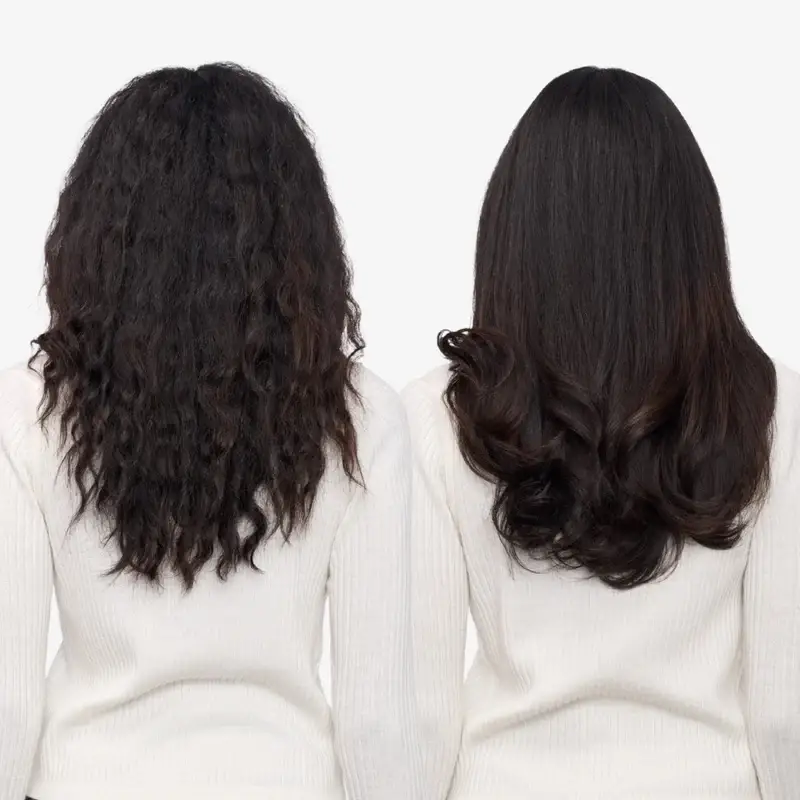
The Everyday Habits That Make Frizz Worse
How to Fix Frizzy Hair Without Spending Hours Styling
Choose the Right Styling Tool for Your Hair Type
Quick Frizz Fixes for Busy Mornings
Frizzy hair can turn a quick styling routine into a frustrating, time-consuming process. One minute your hair looks smooth and polished, and the next it's battling humidity, flyaways, or unwanted volume.
The good news is that smoother, more manageable hair doesn't have to require an hour in front of the mirror. Making a few simple adjustments to your routine can help reduce frizz while saving valuable time.
In this guide, we'll explain what causes frizzy hair, the everyday habits that may be making it worse, and practical tips to help you achieve smoother, shinier hair without spending hours styling every day.
If you're looking for a quick way to reduce frizz, focus on these five steps
Keep your hair hydrated with a conditioner or hair mask.
Gently dry your hair instead of rubbing it with a towel.
Always use a heat protectant before styling.
Style with the right temperature and the right tool for your hair type.
Finish with cool air to help smooth the hair cuticle and reduce flyaways.
While frizz can't always be eliminated completely, these simple changes can help you achieve smoother, more manageable hair without spending hours styling every day.
Before learning how to fix frizzy hair, it helps to understand what causes it in the first place. According to the American Academy of Dermatology (AAD), humidity is one of the most common causes of frizzy hair. When moisture in the air enters the hair shaft, strands can swell and become more difficult to control. Combined with factors such as dryness, heat damage, and natural hair texture, this can leave hair looking rough, puffy, or unruly.
Frizz occurs when the outer layer of the hair, known as the cuticle, becomes raised rather than lying flat. When the cuticle is lifted, moisture can move in and out of the hair more easily, disrupting your style and creating a less smooth appearance.
While everyone experiences frizz from time to time, identifying what is causing it can make it much easier to choose the right solution. The symptoms above can help point you in the right direction, but in many cases, frizz results from a combination of environmental conditions, moisture levels, styling habits, and natural hair texture.
Understanding the most common causes can help you build a routine that keeps your hair smoother, more manageable, and better protected over time.
Humidity is one of the most common causes of frizz. When the air contains high levels of moisture, dry or porous hair can absorb that moisture and expand. This can disrupt the hair cuticle, affect your hairstyle, and leave hair looking puffy, uneven, or less defined.
This is why hair often feels harder to manage during the summer months or when travelling to humid destinations. Hair that looks smooth indoors may quickly become frizzy once exposed to warm, moisture-heavy air.
Using anti-humidity styling products and maintaining balanced moisture levels can help reduce how strongly your hair reacts to changes in the environment.
It may sound surprising, but dry hair is often more prone to frizz. When hair lacks moisture, it becomes more likely to absorb moisture from the environment around it, which can cause the strands to swell and lose their smooth appearance.
Hair that is dehydrated can appear dull, rough, brittle, and difficult to style. It may also feel dry shortly after washing or become increasingly frizzy throughout the day.
Adding moisture back into your routine through conditioners, hair masks, leave-in products, and gentler styling practices can help create a smoother finish and improve overall manageability.
Frequent use of hot tools without proper protection can weaken the hair cuticle over time. Excessive heat may strip away moisture, increase dryness, and make hair more vulnerable to breakage and frizz.
Heat-related frizz can also be caused by styling technique. For example, using very high temperatures, repeatedly passing a hot tool over the same section, or directing blow-dryer airflow against the hair cuticle can leave the surface looking rougher and less smooth.
Some hair types are naturally more prone to frizz than others. Wavy, curly, and coily hair textures tend to experience more frizz because the natural oils produced by the scalp have a harder time travelling down the hair shaft.
The shape and structure of textured hair can also make it more difficult for each strand to retain moisture evenly. As a result, curls and waves may lose definition, become puffy, or develop frizz more easily, especially in dry or humid conditions.
These hair types often benefit from additional moisture and styling techniques designed to enhance definition while reducing puffiness. Styling in smaller sections and distributing products evenly can also help create more consistent results.
Overwashing and Harsh Products
Washing your hair too frequently or using products that are too harsh can strip away the natural oils that help keep hair smooth and protected.
Strong cleansers, frequent shampooing, or products that leave the hair feeling excessively dry can weaken the moisture balance of the hair over time. This may make strands feel rougher and more susceptible to frizz.
If your hair feels dry shortly after washing or becomes difficult to manage throughout the day, it may be worth reassessing your current routine and choosing products designed to support moisture retention without weighing the hair down.
The good news is that while you can't control the weather or change your natural hair texture, you can make small adjustments to your routine that help reduce frizz and make styling much easier. The key is to identify the main cause of your frizz first, then choose the right combination of moisture, technique, temperature, and styling products for your hair.
Sometimes, the products you use aren't the problem. Everyday habits can have a surprisingly big impact on how smooth or frizzy your hair looks throughout the day.
The good news? Small adjustments to your routine can make a noticeable difference.
Rough Towel DryingVigorously rubbing your hair with a towel can rough up the hair cuticle and create friction, leading to more frizz.Instead, gently squeeze excess water from your hair and pat it dry. A microfiber towel or soft cotton T-shirt can also help reduce friction and keep hair smoother.
Using Excessive HeatMany people assume higher heat means faster styling, but that's not always the case. Excessive heat can strip moisture from the hair and contribute to long-term dryness, making frizz more difficult to manage.Using the lowest effective temperature for your hair type can help achieve your desired style while minimising unnecessary damage.
Skipping Heat ProtectionIf you regularly use a hair dryer, curling wand, or styling brush, heat protection is an essential step.Heat protectants help create a barrier between your hair and styling tools, reducing moisture loss and helping hair maintain a smoother appearance.
Styling Hair IncorrectlyTrying to style large sections of hair at once can lead to uneven results, causing you to go over the same areas repeatedly.Working with smaller, manageable sections often produces a smoother finish in less time, reducing the need for constant touch-ups throughout the day.
Using the Wrong Brush or ToolDifferent hair types have different styling needs. A tool that works well for straight hair may not deliver the same results for wavy, curly, or coily hair.Choosing a styling tool that complements your hair type can help improve efficiency, reduce styling time, and create longer-lasting results.While these habits may seem small, they can contribute to ongoing frizz and make styling feel more time-consuming than it needs to be. The next step is learning how to build a routine that helps smooth hair efficiently without spending hours in front of the mirror.
If you're constantly battling frizz, it can feel like achieving smooth hair requires a lengthy routine. Fortunately, a few strategic changes can help you spend less time styling while achieving better results.
Healthy, hydrated hair is often easier to style and less prone to frizz. If your hair feels dry or rough, consider incorporating a nourishing conditioner or hair mask into your routine.
Hydrated hair tends to lie flatter, reflect more light, and require fewer touch-ups throughout the day. In other words, the more moisture your hair retains, the less time you'll spend trying to smooth it later.
How you dry your hair can have a major impact on frizz.
After washing, avoid aggressively rubbing your hair with a towel. Instead, gently squeeze out excess water and blot hair dry.
When using a hair dryer, direct the airflow down the hair shaft rather than blowing air in multiple directions. This helps smooth the cuticle and can create a sleeker finish. An ionic hair dryer may also help reduce frizz and static by breaking down water droplets more efficiently, which can shorten drying time and help hair retain a smoother appearance——What Is an lonic Hair Dryer?
Many people also find that partially air-drying their hair before styling reduces overall drying time while minimising unnecessary heat exposure.
Use the Right Styling Temperature
It can be tempting to reach for the highest heat setting in the hope of styling your hair faster. However, excessive heat can contribute to dryness and make frizz worse over time.
The best temperature depends on your hair type and condition. Fine or damaged hair generally requires lower heat, while thicker hair may need slightly higher settings.
Using the appropriate temperature helps create your desired style efficiently while protecting the health of your hair.
One of the easiest ways to reduce styling time is to work in sections.
When hair is styled in smaller sections, heat and airflow are distributed more evenly, allowing you to achieve smoother results with fewer passes.
This simple technique can help prevent the need to repeatedly go over the same areas, saving both time and effort.
A cool shot of air can be one of the most overlooked steps in a styling routine.
After drying or styling your hair, finishing with cool air can help smooth the hair cuticle and lock in your style. This can improve shine, reduce flyaways, and help your hairstyle last longer.
It only takes a few seconds but can make a noticeable difference in the final result.
Using the right styling tool can make a big difference when managing frizz. Different hair types require different temperatures and styling approaches, so choosing a tool that works with your natural texture can help you achieve smoother results in less time.
Straight hair may be less prone to frizz than curly textures, but humidity, static, and dryness can still cause flyaways and make hair look dull.
To create a smooth, polished finish while maintaining volume, try styling with the Blowout Boost or Steam Sesh. If you're drying your hair before styling, the Turblow Pro can help speed up your routine while reducing unnecessary heat exposure.
For straight hair, recommends styling between 280°F–380°F, depending on your hair thickness and condition.
Wavy hair often experiences the storm of frizz and loss of definition. The goal is to smooth the hair cuticle while enhancing your natural texture.
The Power wave is ideal for creating uniform, polished waves, while the Blowout Boost can help smooth and volumise hair in a single step. If you're starting with damp hair, the Turblow Pro can help reduce drying time before styling.
For wavy hair, the recommended styling temperature is typically 300°F–400°F, depending on your hair thickness.
Curly hair naturally requires more moisture and can become frizzy when curls lose their definition. Whether you're enhancing your curls or creating a smoother look, choosing the right tool is key.
The Airsculpt 5-in-1 offers styling versatility, while the Steamline Pro can help stretch and smooth curls with less effort. For wash days, the Blown Away Ionic Hair Dryer with diffuser attachment can help dry curls while maintaining their shape.
For curly hair, recommends temperatures between 320°F–420°F, depending on your hair texture and styling goals.
Coily hair tends to be the most prone to dryness and frizz, making hydration and gentle styling especially important.
For sleek styles, the Steam Sesh can help smooth and straighten hair, while the Airsculpt 5-in-1 offers styling flexibility. The Blown Away Ionic Hair Dryer with diffuser attachment can also help reduce drying time while supporting healthier styling habits.
For coily hair, recommended temperatures range from 340°F–420°F, depending on hair thickness and condition.
If your hair is fragile, colour-treated, or heat-damaged, it's best to use lower temperatures regardless of your hair type. recommends staying between 280°F–340°F and always using a heat protectant before styling.
Not every day allows time for a full styling routine. When you're short on time, a few simple tricks can help tame frizz and refresh your hair in minutes.
Flyaways around the hairline and crown are often the first signs of frizz.
A small amount of hair oil or smoothing serum applied to your fingertips can help smooth stubborn strands without weighing down the rest of your hair.
Hair doesn't always need a full wash and restyle to look good.
If your hair is looking slightly frizzy on day two, try lightly misting it with water and reshaping your style. This can help revive your hairstyle and reduce the need for excessive heat styling.
Humid weather can quickly undo your styling efforts.
Keeping a travel-sized smoothing product in your bag can help manage frizz throughout the day. Protective hairstyles such as low buns, sleek ponytails, or braids can also help minimise the effects of humidity while keeping your hair looking polished.
Choose Frizz-Friendly Hairstyles
Some hairstyles naturally disguise frizz better than others.
On busy mornings, consider styles such as
These styles can help you look put together while requiring minimal effort.
If you're wondering how to fix frizzy hair for good, the answer usually isn't a single product or styling trick.
Consistent habits—such as keeping hair hydrated, using appropriate heat settings, and choosing the right styling tools—often have the biggest impact over time. By building a routine that works with your hair rather than against it, you can enjoy smoother, more manageable hair without spending hours styling every day.
For a quick fix, focus on smoothing flyaways with a lightweight serum or hair oil and avoid overworking your hair. A quick pass with a styling tool or a blast of cool air can also help create a smoother finish.
Frizz after blow drying is often caused by excessive heat, drying hair too aggressively, or directing airflow in multiple directions. Using heat protection and aiming airflow down the hair shaft can help reduce frizz.
Yes. Many frizz issues can be improved through proper drying techniques, appropriate heat settings, and using styling tools suited to your hair type. Products can help, but technique often plays an equally important role.
What hairstyle is best for frizzy hair?
Styles such as low buns, sleek ponytails, loose braids, and soft waves can help manage frizz while still looking polished and effortless.
Questions & discussion