
Beauty Guides
How to Layer Serums by Texture and Skin Feel — Practical Guide
A practical guide to how to Layer Serums by Texture and Skin Feel. Compare the key concepts, product formats and points to check before choosing.
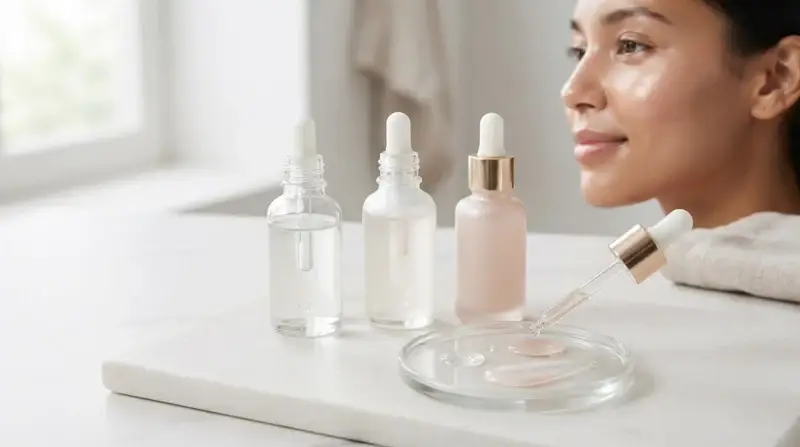
Don’t mix your serums together in your palm. To layer serums for best results, apply them one at a time from thinnest to thickest, using no more than two in a routine. Give each layer about 60 seconds to settle before applying the next.
It makes sense to want your favorite formulas to work together, especially when one feels watery and another richer. Applying them separately, however, makes the order easier to follow and helps you notice how your skin responds. If you use potent active serums, alternate them between morning and evening instead of layering several at once.
This guide shows you how to prepare clean, damp skin, choose an order based on texture, and pair hydrating formulas with active ingredients thoughtfully. You’ll also learn what to apply after your serums, so your routine stays simple, comfortable, and easy to repeat.
Start with freshly cleansed skin and apply toner while your skin is still damp to prepare for serum.
Separate high-strength exfoliating acids and other potent actives instead of stacking them in one routine.
Layer compatible hydrating formulas thoughtfully, then finish with moisturizer to help hold in hydration.
Pay attention to how each formula spreads and settles so your routine feels comfortable and easy to follow.
Explore Advanced Microneedling Serum SD - Control Salmon DNA Ampoule Serum when you’re looking for a serum option to add to your skincare routine.
First, The Philosophy: Should You Even Layer Serums?
Applying serums from thinnest to thickest
Pairing active ingredients safely
Advanced Microneedling Serum SD - Control Salmon DNA Ampoule Serum
Layer formulas when they serve compatible goals; alternate potent brightening and renewing formulas when they need separate routines. Keep each routine simple so you can track what you apply and how your skin feels.
Choose Between Layering and Alternating Decide whether to layer or alternate by comparing each serum’s purpose and strength. Layer complementary formulas, such as a hydrator with a targeted brightening serum. If both are potent or highly active, use them at different times instead. Don’t mix them in your palm; apply each separately. Limit each routine to two serums. Start with a small amount of the first, then consider whether your skin needs another step. Extra layers can make it harder to tell which formula suits you, so add a product only when it serves a clear purpose.
Choose Between Layering and Alternating
Decide whether to layer or alternate by comparing each serum’s purpose and strength. Layer complementary formulas, such as a hydrator with a targeted brightening serum. If both are potent or highly active, use them at different times instead. Don’t mix them in your palm; apply each separately.
Limit each routine to two serums. Start with a small amount of the first, then consider whether your skin needs another step. Extra layers can make it harder to tell which formula suits you, so add a product only when it serves a clear purpose.
Alternate Brightening and Renewing Serums Use brightening and renewing serums at different times or on different routine days if both feel potent. For example, use the brightening formula in the morning and the renewing one in the evening. This gives each product its own place without stacking multiple active formulas in one routine. Check each serum’s intended use and texture before choosing where it fits. If one feels especially active, keep it separate from other potent formulas. Follow a consistent routine, and don’t add another active serum simply because the first has dried.
Alternate Brightening and Renewing Serums
Use brightening and renewing serums at different times or on different routine days if both feel potent. For example, use the brightening formula in the morning and the renewing one in the evening. This gives each product its own place without stacking multiple active formulas in one routine.
Check each serum’s intended use and texture before choosing where it fits. If one feels especially active, keep it separate from other potent formulas. Follow a consistent routine, and don’t add another active serum simply because the first has dried.
Plan Serums for Morning and Evening When alternating potent formulas, assign one serum to your morning routine and the other to your evening routine. Choose the formula that best fits your daytime steps, and reserve the other for evening. This is how to layer serums in a morning routine versus an evening routine: separate potent formulas instead of combining them. When layering compatible formulas, apply them one at a time and keep to two serums per routine. Consider the other products you already use, including moisturizer and sunscreen, before adding another serum. A clear morning-and-evening plan makes your routine easier to follow consistently.
Plan Serums for Morning and Evening
When alternating potent formulas, assign one serum to your morning routine and the other to your evening routine. Choose the formula that best fits your daytime steps, and reserve the other for evening. This is how to layer serums in a morning routine versus an evening routine: separate potent formulas instead of combining them.
When layering compatible formulas, apply them one at a time and keep to two serums per routine. Consider the other products you already use, including moisturizer and sunscreen, before adding another serum. A clear morning-and-evening plan makes your routine easier to follow consistently.
Decide How Many Serums to Use Use no more than two serums in one routine. Start with the serum that addresses your main skincare goal, then add a second only if it serves a distinct, compatible purpose. For example, pair a hydrating formula with a targeted serum rather than combining two potent actives. Notice how the formulas feel together and whether the routine remains comfortable. If two serums cover your goals, stop there; use another potent formula in a separate morning or evening routine. This keeps every step purposeful and your layering plan easy to maintain.
Use no more than two serums in one routine. Start with the serum that addresses your main skincare goal, then add a second only if it serves a distinct, compatible purpose. For example, pair a hydrating formula with a targeted serum rather than combining two potent actives.
Notice how the formulas feel together and whether the routine remains comfortable. If two serums cover your goals, stop there; use another potent formula in a separate morning or evening routine. This keeps every step purposeful and your layering plan easy to maintain.
Apply each serum in order, from the lightest texture to the richest. Knowing how to layer serums for best results starts with recognizing texture: apply watery and aloe-based formulas before oil-based products, then finish with moisturizer.
Compare textures before applying anything. Use the watery serum first, followed by a thicker gel or lotion-like formula, then an oil-based serum if it belongs in your routine. For example, apply a lightweight water-based hydrator before a richer facial oil. Let the formula’s texture and base guide you, not the order of the bottles on your shelf.
Apply each layer separately to clean, damp skin. Smooth the first serum across your face, then give it about 60 seconds before applying the next one. That pause lets you notice whether the first layer feels tacky or has settled. If the surface still feels wet, wait until it feels comfortable before continuing.
Use a controlled amount and spread each serum gently. A thin, even layer is easier to follow with another texture than a heavy coating. If applying a light hydrator before a richer formula, let the first layer settle before smoothing on the second. Don’t rub the formulas together in your palm, as this can change how they apply.
Apply eye cream after your serums and before moisturizer. Use a small amount around the eye area, follow the product directions, and avoid direct eye contact. Then smooth moisturizer over your face. Moisturizer or facial oil applied after serums can help seal in ingredients and reduce moisture loss from the skin.
Finish with sunscreen in your morning routine, following its formula type. Apply chemical sunscreen underneath moisturizer, and apply mineral sunscreen over moisturizer. If you use a face mask, place a leave-on mask after serums; remove a rinse-off mask after about 15 minutes. Choose a mask step that fits the rest of your routine.
Let each formula settle before adding the next step, then compare serum textures with the products you already use in a routine centered on microneedling serum options.
Pair hydrating serums by texture and purpose rather than stacking similar formulas without a plan. A water-based humectant serum can provide a light layer, while a richer formula can create a more comfortable finish.
Choose one main hydrating ingredient to guide your pairing. For example, a hyaluronic acid serum can provide a lightweight first layer, while a glycerin serum can complement it with another water-attracting ingredient. Check the ingredient lists and textures to understand what each formula adds. If both feel similar, one may be enough.
Apply the lighter, water-based serum before a thicker hydrating formula. A watery hyaluronic acid serum usually spreads more easily as the first layer than a creamy or oil-rich product. Smooth it over your face, then apply the richer formula once it settles. This order helps each texture spread without making the first layer harder to reach.
Match the combination to how your skin feels that day. If your face feels tight after cleansing, start with a simple water-based hydrator and follow with a comfortable moisturizer. If your skin already feels balanced, use one serum rather than adding another out of habit. Your routine can vary with your cleanser, climate, and other products.
Keep hydrating formulas separate instead of blending them in your palm. Apply a hyaluronic acid serum first, then smooth a second product over it as its own layer. Mixing makes it harder to judge how much of each formula you’re using and how the textures sit on your skin. Applying them separately also lets you adjust one step at a time.
Finish with moisturizer after your hydrating serums. A moisturizer adds a final layer over the lighter formulas, while a facial oil can suit routines that already include an oil-based texture. Choose the finish based on how the layers feel together, rather than adding both automatically. For more serum textures to compare, browse the microneedling serum collection.
Review your full routine before adding another hydrating step. Cleanser, toner, serum, and moisturizer may already provide the layers you want. If a serum feels tacky or pills under moisturizer, simplify the combination or allow more time between products. Change one step at a time to identify which pairing feels best.
Make active formulas easier to manage by giving each one a clear place in your routine. Learning how to layer serums for best results means checking for overlapping ingredients before adding another active.
Patch test a new serum on a small, discreet area, following its label. Introduce one new formula at a time and keep the rest of your routine familiar so you can notice how your skin responds.
Read each serum’s directions and identify its active ingredients before pairing products. For example, check whether both formulas contain exfoliating acids or other potent actives. Similar goals don’t automatically make products a good fit for one routine. Let the product directions guide when and how each serum fits into your skincare steps.
Keep multiple high-strength exfoliating acids separate rather than applying them together. If one serum contains an exfoliating acid, don’t layer another high-strength acid over it in the same routine. Choose one, then use the other in a different routine if its directions allow. This keeps your active steps clear and easier to assess.
Alternate potent active serums when combining them would make your routine too intense. For example, use one active formula in the morning and another in the evening instead of stacking both. Keep hydrating steps simple around each one. A clear schedule also helps you identify which product you used if your skin feels uncomfortable.
Apply serums as separate layers instead of mixing them in your palm. Combining formulas before application can destabilize ingredients, so dispense and apply each product individually. Follow the texture order and let one layer settle before adding another. This makes it easier to track each formula and keep your routine consistent.
Introduce new active products one at a time rather than overhauling your routine all at once. Keep your familiar cleanser and moisturizer steady while adding one new serum. Follow its label and give yourself time to observe how your skin feels before introducing another active. Gradual changes make it easier to understand your routine.
Simplify your routine if active layers feel uncomfortable. Pause the newest addition and return to familiar steps, such as cleanser and moisturizer. Don’t add another exfoliating acid to counter the sensation. Note the product name and other formulas you used, then adjust your next routine thoughtfully.
Prepare your skin so each serum goes onto a clean, lightly damp surface. A simple sequence is cleanser, toner, serum, then moisturizer.
Cleanse first to remove makeup, sunscreen, and everyday buildup. If you double cleanse, begin with an oil-based cleanser to loosen makeup and sunscreen, then use a water-based cleanser. Rinse thoroughly, especially around the hairline and nose. Clean skin gives your next steps a fresh base, without cleanser residue beneath your serum.
Use an exfoliator after cleansing if it belongs in your routine. Apply it before toner and serum, and follow its directions. For example, don’t apply an exfoliating step over moisturizer, where it would sit on top of your finished routine. Keep exfoliation separate from your serum steps to maintain a clear sequence.
Apply toner after cleansing while your skin is still damp. A toner mist can leave a light layer of moisture without soaking your face. Damp skin is more permeable than dry skin, so serum spreads readily across it. Don’t wait until your face feels completely dry before applying toner.
Apply serum while the toner’s moisture remains. Dispense the formula, smooth it over your face, and add another layer only after the first settles. For example, apply a water-based serum before a richer formula. If your skin dries between cleansing and serum, lightly mist toner again rather than applying serum to fully dry skin.
Finish with moisturizer after applying your serums. Smooth it evenly over your face to help seal in hydration, then apply daytime sunscreen if it’s part of your routine. Keep the sequence consistent: cleanse, exfoliate if you use an exfoliator, tone, apply serum, and moisturize. This order also makes it easier to spot pilling or a tacky feel.
For a serum-focused routine, explore microneedling serum options to compare formulas for your skincare steps.
Move from cleansing to serum in a deliberate sequence: cleanse, apply toner, then use serum while the toner has left your skin damp. The guide recommends cleansing and toning before serum, with toner mist leaving the skin damp. Following that order gives you a clear point to apply serum, rather than applying it before toner. Aim for lightly damp skin, not a face that has dried completely.
The reason for paying attention to that surface is that the guide states that damp skin is more permeable than dry skin. This is why the dampness from toner matters in the routine: it offers a different surface for serum application than dry skin does. If you are deciding when to move on from toner, use the remaining dampness as your cue. Apply serum after toning, while the skin is still damp, and keep cleansing and toning as the preparation immediately before that step. That simple order keeps the focus on clean, damp skin before serum.
Questions & discussion