
Beauty Guides
IPL vs Laser Hair Removal: What’s the Difference — Practical Guide
A practical guide to iPL vs Laser Hair Removal: What’s the Difference. Compare the key concepts, product formats and points to check before choosing.
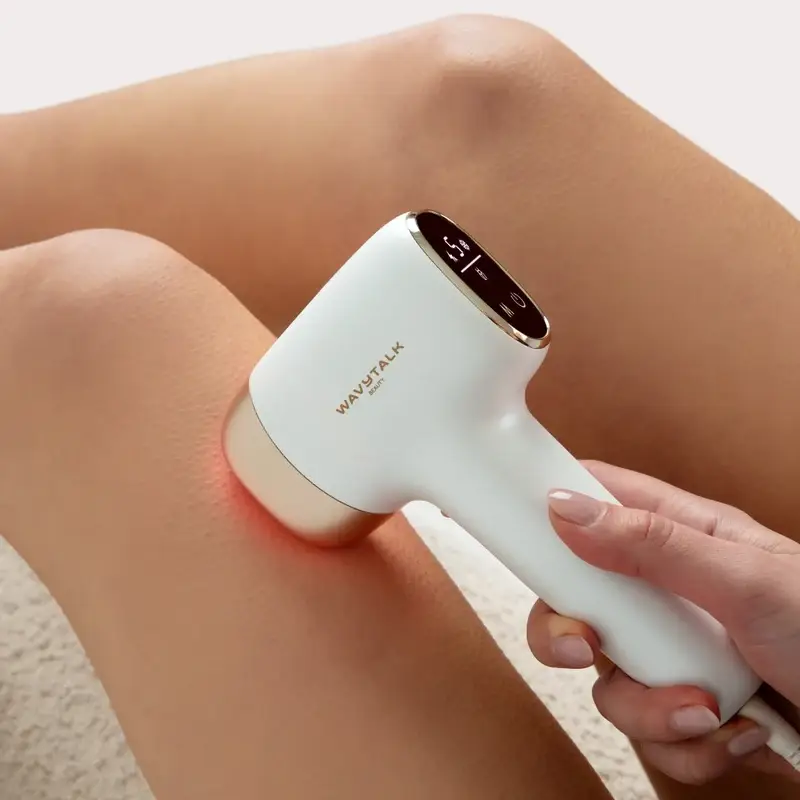
If you're tired of shaving, waxing, or dealing with unwanted hair regrowth, you've probably come across two popular light-based hair removal options: IPL and laser hair removal.
Although they may seem similar, IPL (Intense Pulsed Light) and laser hair removal use different light technologies, treatment methods, and equipment. They also differ in terms of convenience, treatment settings, costs, and suitability for different skin tones and hair colors.
So, which one should you choose? Is professional laser hair removal more effective than at-home IPL? And is an IPL hair removal device worth investing in?
In this guide, we'll explain how IPL and laser hair removal work, compare their effectiveness, costs, safety, and long-term results, and help you decide which option best fits your skin, lifestyle, and hair removal goals.
Quick Answer: IPL vs Laser Hair Removal
The main difference between IPL and laser hair removal is the type of light they use.
IPL hair removal uses broad-spectrum, intense pulsed light to target melanin in the hair. It is commonly available in at-home devices and professional treatment systems.
Laser hair removal uses a concentrated wavelength of light to target hair follicles. It is commonly performed in professional clinics using specialized laser equipment.
Both methods aim to reduce unwanted hair growth over time. However, professional laser treatments generally offer more individualized treatment settings, while at-home IPL offers greater convenience and control over your routine.
Neither option is automatically better for everyone. The right choice depends on your skin tone, hair color, treatment goals, budget, and willingness to follow a treatment schedule.
IPL stands for Intense Pulsed Light. It is a light-based hair reduction technology that uses broad-spectrum pulses of light to target melanin, the pigment responsible for hair color.
When the light is absorbed by the melanin in the hair shaft, it converts into heat. This thermal energy travels toward the hair follicle and helps disrupt its ability to produce new hair.
Unlike shaving, which only cuts hair at the skin's surface, IPL works beneath the skin to help reduce future hair growth. With repeated treatments, eligible users may notice slower regrowth, finer hair, and less visible hair density.
How Does IPL Hair Removal Work?
IPL treatment works through a process called selective photothermolysis, in which light energy is absorbed by a target pigment and converted into heat.
Here's a simplified explanation
Light absorption: The IPL device releases pulses of broad-spectrum light that are absorbed by melanin in the hair.
Heat generation: The absorbed light energy converts into heat and travels down the hair shaft.
Follicle targeting: The heat helps disrupt the hair follicle's growth activity.
Gradual hair reduction: Repeated treatments help reduce visible regrowth over time.
Because hair grows in different phases, not every follicle responds equally well during one treatment. This is why consistent sessions are necessary to achieve gradual results.
If you'd like a more detailed explanation, read the guide: What Is IPL Hair Removal? How It Works, Benefits, and What to Expect.
What Is At-Home IPL Hair Removal?
At-home IPL devices bring light-based hair reduction into your personal care routine. Instead of booking appointments at a clinic, you can perform treatments yourself using a handheld device designed for home use.
Most consumer IPL devices include adjustable energy settings, treatment modes, and safety features designed to support controlled use at home.
For example, the Bare It IPL Hair Removal Device combines dual-pulse technology, ice cooling technology, and three treatment modes for Face, Body, and Bikini areas.
2. What Is Laser Hair Removal?
Laser hair removal is a light-based treatment that uses a concentrated wavelength of light to target melanin in hair follicles.
Unlike IPL, which emits a broader range of wavelengths, laser systems produce light at a specific wavelength. This allows the energy to be delivered in a more targeted way.
When melanin in the hair absorbs the laser energy, the resulting heat damages the follicle and reduces its ability to produce hair.
Professional laser hair removal is typically performed by trained practitioners who select the appropriate laser type and treatment settings according to the individual's skin tone, hair characteristics, and treatment area.
Common Types of Laser Hair Removal
Not all laser hair removal systems are the same. Different laser technologies use different wavelengths and may be better suited to different skin and hair characteristics.
Diode LaserDiode lasers commonly operate around the 800–810 nm wavelength range. They are widely used for hair reduction and can be suitable for a range of skin tones when the correct equipment and treatment settings are selected.
Alexandrite LaserAlexandrite lasers typically use a 755 nm wavelength. They are often used for hair reduction on lighter skin tones with darker hair because the wavelength is strongly absorbed by melanin.
Nd: YAG LaserNd: YAG lasers commonly use a 1064 nm wavelength. Their longer wavelength allows deeper penetration into the skin and can make them a suitable option for darker skin tones when operated by an experienced professional.
Each laser has different characteristics. Choosing the right system requires considering skin tone, hair pigment, treatment area, and individual risk factors.
For more information about professional treatment, see the American Academy of Dermatology's overview of laser hair removal.
3. IPL vs Laser Hair Removal: What's the Difference?
Although both IPL and laser hair removal use light energy to target hair pigment, their light sources, treatment delivery, and typical usage environments are different.
Understanding these differences can help you decide which method is more suitable for your needs.
IPL vs Laser Hair Removal Comparison Table
One important distinction: professional IPL systems and consumer at-home IPL devices should not be treated as identical. Their energy levels, treatment protocols, and intended use can differ considerably.
IPL vs Laser: Which Is More Effective?
Effectiveness depends on the equipment, energy settings, treatment schedule, skin tone, hair color, and individual response.
Professional laser hair removal can deliver substantial long-term hair reduction, particularly when the treatment is performed by an experienced practitioner using an appropriate laser.
IPL can also reduce unwanted hair over time. At-home IPL devices are particularly appealing to people who prefer a self-managed routine and are suitable candidates for the specific device.
Some clinical comparisons of professional IPL and laser systems have found differences in hair reduction and treatment discomfort. However, results from professional systems cannot automatically be applied to every consumer IPL device.
For a broader discussion of treatment results and regrowth, read How Long Does Laser Hair Removal Last? Results, Regrowth & IPL.
Look at the actual device specifications, clinical evidence, skin tone compatibility, and recommended treatment schedule. A suitable device used correctly is more important than simply choosing the technology with the strongest-sounding specifications.
4. IPL vs Laser Hair Removal: Which Is Better for Different Skin Tones and Hair Colors?
Skin tone and hair color are two of the most important factors when choosing a light-based hair removal method.
Both IPL and laser hair removal target melanin. However, the amount of pigment in your hair and surrounding skin can affect how much light energy is absorbed.
Traditional IPL devices generally work best when there is sufficient contrast between the hair and surrounding skin.
For example, many consumer IPL devices are designed for light to olive skin tones with darker hair. Some devices may not be suitable for deeper skin tones because the surrounding skin contains more melanin and can absorb excessive light energy.
This can increase the risk of unwanted skin reactions, including burns and pigmentation changes.
Always consult the specific device's skin tone compatibility chart instead of assuming that all IPL devices are suitable for every skin tone.
Laser Hair Removal for Different Skin Tones
Professional laser hair removal offers several laser options with different wavelengths.
For example, Alexandrite lasers are commonly used for lighter skin tones, while Nd: YAG lasers may be more suitable for darker skin tones when operated by an experienced professional.
If you are unsure whether your skin is suitable for an IPL hair removal device, you can take an IPL compatibility test for a preliminary assessment.
However, professional laser treatment is not automatically risk-free. The wrong laser settings or inexperienced treatment can still cause burns, scarring, and changes in skin pigmentation.
Which Hair Colors Respond Best?
Both IPL and laser hair removal rely on melanin in the hair as a target.
Black hair: Generally responds well because it contains abundant pigment.
Dark brown hair: Often responds well to suitable light-based treatments.
Light brown hair: May respond depending on the amount of pigment and device specifications.
Blonde hair: Usually responds poorly because it contains less melanin.
Red hair: Often responds poorly to conventional IPL and laser hair removal.
Gray or white hair: Generally does not respond effectively because it contains little or no melanin.
If you have deeper skin or very light hair, consider consulting a qualified dermatologist about suitable alternatives rather than experimenting with an incompatible device.
The American Academy of Dermatology's guide to hair removal methods also explains the limitations of laser hair removal for certain hair colors and skin types.
Before buying or using an IPL device, check its official compatibility chart. Bare It is recommended for light to olive skin tones and light brown to black hair. It is not recommended for deeper skin tones or red, blonde, and gray hair. Always confirm your suitability before treatment.
5. IPL vs Laser Hair Removal: Which Lasts Longer?
One of the biggest questions people ask is whether IPL or laser hair removal provides longer-lasting results.
The answer depends on the technology, treatment course, body area, hair growth cycle, and individual response.
With consistent treatments, eligible users may notice that hair grows back more slowly, becomes finer, or appears less dense.
However, results are not permanent for everyone. Hormonal changes and natural hair growth cycles can influence regrowth, and maintenance sessions may be needed.
At-home IPL requires following the specific manufacturer's treatment schedule. For example, Bare It recommends an initial treatment phase followed by less frequent maintenance
Month 1: Three treatments per week.
Month 2: One treatment per week.
Maintenance: Once per month as needed
Black Friday Deal: Up to 54% Off Sitewide
Ready to upgrade your routine? Shop Wavytalks's best-selling hair and beauty tools during Black Friday Deal and enjoy Up to 54% Off Sitewide.
Plus, get free fast shipping on $45+ U.S. orders. It's the time to save on your next styling essential.
Questions & discussion