
Beauty Guides
Understanding Collagen Loss: Causes, Effects, and Solutions — Practical Guide
A practical guide to understanding Collagen Loss: Causes, Effects, and Solutions. Compare the key concepts, product formats and points to check before choosing.
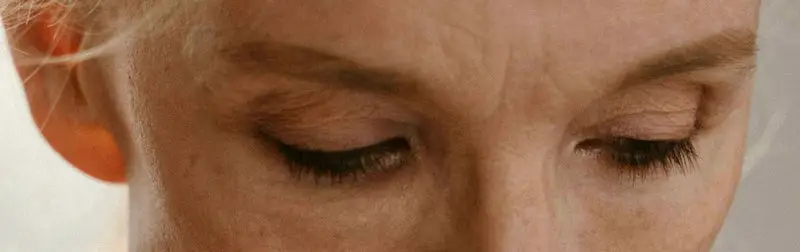
03 What Are the Effects of Collagen Loss on the Skin?
04 Ways to Boost Collagen in Your Skin?
We often hear about collagen—the key to keeping the skin firm and wrinkle-free. But do we really know what collagen does and why it's so important? it is useful to dive into the world of collagen and uncover this essential protein.
Collagen is a protein that serves as a building block for your skin, bones, muscles, tendons, and ligaments. It provides structure and strength to your body, helping maintain the firmness and elasticity of your skin while supporting healthy joints and tissues. In simpler terms, collagen is like the glue that holds your body together, keeping everything strong and flexible.
Collagen loss with age is inevitable. Even though your body makes collagen, it starts to decrease as you age. Surprisingly, this decline can begin as early as your late teens or early 20s. It's interesting to note that the timing of this decrease varies among individuals, especially for women before and after menopause.
But aging isn't the only enemy. Other things that can make your body lose collagen include
Sun Exposure - spending too much time in the sun's UV rays can break down collagen faster, leading to early aging
Smoking - the harmful substances in cigarettes can slow down collagen production and speed up its breakdown, making your skin age faster and lose its elasticity
Diet - eating poorly and not getting enough essential nutrients that help make collagen can make it hard for your body to maintain healthy collagen levels
Stress - feeling stressed for a long time can make your body release cortisol, a hormone that can interfere with collagen production, making collagen loss worse
Pollution - environmental pollutants can generate free radicals that damage collagen and contribute to its degradation over time
Lack of Sleep - inadequate sleep can disrupt the body's natural collagen repair processes, potentially leading to decreased collagen levels
What Are the Effects of Collagen Loss on the Skin?
The consequences of dwindling collagen levels are evident, particularly in the visible changes that occur in the skin, such as loss of tightness and vitality. It also manifests in various other ways throughout the body, affecting different aspects of your overall health and well-being.
Some notable effects of collagen loss include
Wrinkles - decreased collagen can contribute to the development of wrinkles, fine lines, and crow's feet, as the skin loses its elasticity and resilience
Loss of Facial Fullness - collagen depletion can lead to a loss of facial volume, making the cheeks appear hollow and creating a sunken or deflated appearance
Sagging Skin - diminished collagen levels can result in sagging or drooping skin, particularly noticeable in areas such as the jowls, jawline, and neck
Slow Muscle Recovery - collagen plays a crucial role in supporting muscle health and recovery. Reduced collagen can impede muscle repair and regeneration, potentially leading to longer recovery times after exercise or injury
Gastrointestinal Issues and Weight Gain - collagen is essential for maintaining the integrity of the gut lining. Collagen loss may contribute to digestive problems, such as leaky gut syndrome, which can lead to weight gain and other digestive disturbances
Lifeless Hair - collagen loss can affect the health and appearance of your hair, causing it to become dull, brittle, and less voluminous
Joint Pain - collagen provides vital support for the joints, and its decline can contribute to joint stiffness, discomfort, and reduced mobility
Slow Injury Recovery - proper collagen levels are crucial for efficient wound healing and tissue repair. Collagen loss can hinder the healing process, leading to slower recovery from injuries or surgeries
Teeth Problems - collagen is necessary for maintaining strong and healthy teeth and gums. Collagen depletion can contribute to tooth loss, gum disease, and overall dental problems
Ways to Boost Collagen in Your Skin?
While the natural aging process is inevitable, there are several simple measures you can take to help slow down the decline in collagen production. Consider implementing the following practices into your routine
Limiting your exposure to UV rays can help minimize collagen breakdown. Protect your skin by wearing sunscreen, seeking shade, and wearing protective clothing.
Incorporate collagen-rich sources such as bone broth, fish, lean meats, eggs, and fruits and vegetables rich in antioxidants and vitamins. Saturated fats and refined sugars can contribute to collagen degradation.
Proper hydration is essential for maintaining healthy collagen levels. Drink an adequate amount of water daily to keep your body hydrated and support collagen production.
Smoking has been shown to accelerate collagen breakdown and impair collagen synthesis. Quitting or avoiding smoking altogether can help preserve your body's collagen levels and overall skin health.
Getting enough high-quality sleep is crucial for proper collagen production and repair. Create a sleep routine that allows for sufficient rest and relaxation.
Look for collagen supplements that offer the protein in a hydrolyzed form, meaning it is broken down into smaller units. This form is easily absorbed by the body, making it more effective in supporting collagen production.
Understanding collagen and its effects on the body is crucial for maintaining skin health and overall well-being. By adopting a holistic approach that includes lifestyle modifications and skincare techniques like red LED light therapy, you can slow down collagen loss and embrace healthier, more youthful-looking skin.
Questions & discussion