
Beauty Guides
Understanding Skincare Ingredient Compatibility: What to Mix — Practical Guide
A practical guide to understanding Skincare Ingredient Compatibility: What to Mix. Compare the key concepts, product formats and points to check before choosing.
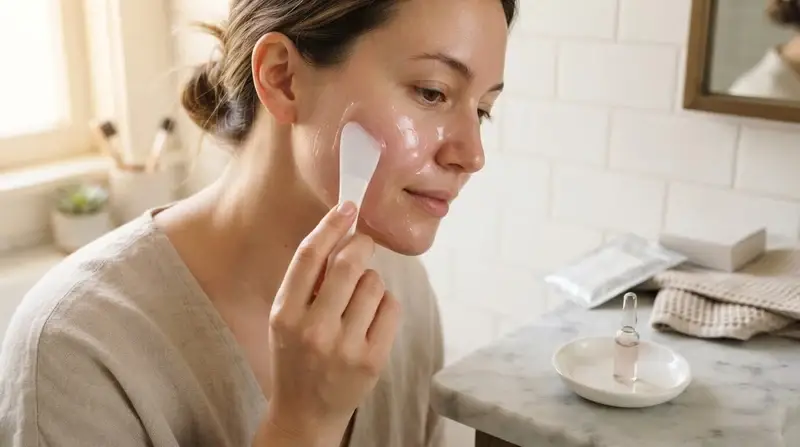
Retinoids and exfoliating acids are often better used at different times. Stabilized formulas can pair vitamin C with niacinamide, while hyaluronic acid can complement many active ingredients.
Understanding skincare ingredient compatibility means considering the ingredients, their formulas, and how your skin responds before deciding what to combine or use separately.
Assess the formula and each active’s preferences, not just ingredient names, before layering products.
Separating certain actives between morning and evening can help support a more comfortable, balanced routine.
Hyaluronic acid can complement active ingredients, while the product’s formula and how you apply it shape the experience.
Use ingredient-pair checks to spot combinations that may need different timing or a gradual introduction.
Learn how molecular weight and moisture-binding ingredients influence the way a hyaluronic acid serum hydrates.
What Skincare Ingredient Combinations can you mix and what must be avoided?
What are the most important active ingredients to look for in a serum?
How does ingredient compatibility affect what you should use together?
Hyaluronic acid molecular weights and hydration
Ingredient-pair compatibility checks
Advanced Microneedling Serum SD - Control Salmon DNA Ampoule Serum
Vitamin C, niacinamide, and hyaluronic acid commonly work well together, but retinoids and exfoliating acids can be harder to layer. Redness, itching, burning, or swelling after applying a product may signal irritation or an allergic reaction.
Vitamin C, Retinoid, and Acid Compatibility
Compatibility describes how ingredients interact within a formula or skincare routine, including whether they remain effective and feel comfortable on skin. It matters because combining active ingredients can affect how a routine feels and works.
Retinoids such as retinol and exfoliating acids such as glycolic or salicylic acid may increase irritation, dryness, or skin-barrier disruption when used together. Alternating them between routines, or reducing the concentration of one or both, may make the combination gentler. Vitamin C and AHAs or BHAs are also often better used separately, as pH differences may affect stability or performance. A morning-and-evening split is one practical option.
L-ascorbic acid, a form of vitamin C, needs a pH of 3.5-4 to remain stable and penetrate skin. Niacinamide is stable across pH 4-7, so a single formula must balance differing preferences. A combined vitamin C and niacinamide formula may use pH 3.8-4. Separate products can also be layered, with 10-15 minutes between them sometimes recommended when their pH ranges differ.
Niacinamide and Glycolic Acid Concentrations
A functional concentration is an amount of an ingredient used to serve a particular role in a skincare formula. Understanding concentration helps you compare products instead of relying only on an ingredient’s name on the label.
Niacinamide is generally functional at concentrations of 2% or higher, while glycolic acid is described as effective at 5% or higher. These figures don’t mean a higher concentration is automatically a better match for your routine. Glycolic acid is an exfoliating AHA, so pairing it with retinol can add to the routine’s overall exfoliating effect. Consider the other active ingredients in your products before layering them.
Niacinamide Pairings with Other Actives
Niacinamide works with many skincare ingredients, making it a flexible choice for routines that include other actives. It can pair with hyaluronic acid, which helps attract and retain moisture, while niacinamide supports sebum regulation.
Niacinamide and vitamin C are generally compatible in modern stabilized skincare formats. Their different pH preferences may matter in one formula, but they can still appear together in a thoughtfully balanced product. Niacinamide also pairs well with retinol, and it may help reduce retinol-related irritation. For salicylic acid followed by niacinamide, one suggested approach is to wait 20-30 minutes between applications, allowing time before adding the next layer.
Signs of Irritation or Allergic Reaction
Irritation is an uncomfortable skin response, while an allergic reaction may involve an itchy rash or swelling. Noticing changes after applying an active can help you decide whether a product combination feels comfortable.
For example, persistent burning, redness, or unusual dryness after layering retinol with glycolic acid may mean the routine is too intense. Itching, raised bumps, or swelling after applying a product may indicate a different kind of reaction. Note which products you used and when symptoms appeared. Introducing one new active at a time makes it easier to identify which product may be associated with a change, rather than guessing among several new layers.
Choose serum actives by their role, formula, and place in your routine, not popularity alone. How products layer can affect comfort and performance.
Wait about 30-60 seconds between serum layers; that’s generally enough for most products. Skin type and sensitivity affect how a combined routine feels, while formula texture and delivery also shape compatibility. Moisturizer can follow serums, and sunscreen belongs at the end of your morning routine.
PH Effects on Active Ingredients
pH compatibility describes whether a formula’s acidity suits the active ingredients it contains. This matters because actives can perform differently across pH environments. Retinoids are more stable at pH 5-6, while AHAs such as glycolic and lactic acid work best at pH 3-4. Those ranges can help you decide which products belong in separate routines.
For example, you might use an exfoliating acid in one routine and a retinoid in another. This keeps each active in a routine suited to its function, without stacking several potent steps together.
Formulation and Active Delivery
Formulation is the way ingredients are combined and delivered in a finished product. It matters because ingredients with different solubility profiles may separate or perform poorly without a suitable emulsifier or delivery system. Emulsifiers help keep oil and water blended in lotions and creams.
A serum’s full ingredient blend, texture, and pH all affect how it layers. A formula containing several actives may behave differently from those ingredients in separate products. Check the product’s intended use and directions before adding it to your existing routine.
Not every pair needs to be separated. Of 49 documented skincare active-ingredient pairs in the SYNC table, 31 are listed as usable in the same routine. Six call for a slow start, and 12 are usually applied at different times. These comparisons show why you should assess each pair rather than assume all actives either mix or conflict.
Moisturizer and sunscreen also determine the order of a morning routine. Apply serum first, moisturizer next, and sunscreen as the final layer. Antioxidant serums such as vitamin C can go beneath sunscreen, but they don’t replace sun protection. When using AHAs, daily morning sunscreen is advised because exfoliation can increase sun sensitivity.
Build gradually: add one new active, keep the rest of your routine familiar, and note how your skin feels. This gives you a clearer way to assess a formula’s place in your regimen. For serum options, explore microneedling serums.
Compatibility affects more than whether two ingredients can share a routine. It also shapes how you introduce products, arrange layers, and interpret changes in your skin’s comfort.
Retinol Pairing with Hyaluronic Acid
When planning a routine with retinol and a hyaluronic acid product, consider each product’s texture and directions. This can help you fit both into your existing steps without treating them as interchangeable.
For example, a lightweight serum can go before a richer moisturizer, while a cream may already contain hydrating ingredients. Check the label to see whether your moisturizer contains hyaluronic acid, so you can avoid unnecessary layers. Keep your routine simple as you introduce retinol, and note how your skin feels after each application.
Retinol use is usually increased gradually rather than started nightly. The suggested introduction is 2 nights per week for the first 2-3 weeks, then a gradual increase toward nightly use over 8-12 weeks. These intervals give you a clear way to pace the routine and observe how your skin responds before changing frequency.
Retinol Conflicts with Benzoyl Peroxide and Acids
Benzoyl peroxide can degrade retinoids through oxidation, potentially reducing retinol’s potency. This is a compatibility issue at the ingredient level, not simply a question of whether your skin can tolerate multiple active layers.
Use benzoyl peroxide and retinol in separate routines rather than applying them together. For instance, use one in the morning and the other at night, following each product’s directions. Separating them helps avoid combining ingredients that may affect one another in a formula or on skin.
Choose a schedule you can follow consistently. Write down which product you apply and when, especially while introducing retinol. If you change how often you apply a product, avoid adding another new active at the same time. This makes it easier to tell which adjustment changed how your routine feels.
Moisturizer and sunscreen each have a distinct place in a routine. Use moisturizer as a supportive layer and apply sunscreen during the day. Retinol is commonly used at night, with sunscreen the next morning. Keep these steps consistent as you adjust retinol use, rather than changing several products and timings at once.
Hyaluronic acid is a humectant, meaning it helps draw in moisture and bind it to the skin. A serum with multiple molecular weights may hydrate across a broader range of skin depths than one with a single weight. This helps explain why two hyaluronic acid products can feel different, even when both focus on hydration.
Hyaluronic acid can hold up to 1000 times its weight in water, and the listed optimal humectant concentration range is 0.5-2%. More is not automatically better: the full formula and surrounding routine also shape how a serum performs. Apply a hydrating serum as directed, then follow with moisturizer to support a comfortable routine.
Environment matters, too. When humidity falls below 40%, humectants alone may increase transepidermal water loss rather than supply enough moisture. Pairing a humectant with an emollient can help balance the routine. For example, glycerin attracts moisture, while squalane softens and smooths skin. Together, they offer complementary hydration and emollient functions.
For barrier support, consider more than humectants. Ceramides can help buffer retinol-related dryness when used in the same routine, while emollients soften and smooth skin. People with dry skin may find emollients useful for this reason. Antioxidants serve a different role: they help neutralize free radicals that can damage skin. A moisturizer containing ceramides and emollients can complement a serum without asking one ingredient to do every job.
Glycolic and lactic acid are alpha-hydroxy acids that exfoliate, rather than hydrate. They work best at pH 3-4, so a separate hyaluronic acid serum can add moisture to an acid-focused routine. If glycolic acid leaves your skin feeling dry or tight, avoid stacking several exfoliating products. Let hydration and exfoliation play distinct roles, and use sunscreen in the morning after an acid routine.
Texture can help you choose how to layer products. A watery hyaluronic acid serum generally goes before a richer cream, while an emollient moisturizer helps soften the finish. Plant oils above 3% may feel greasy, so the overall formula matters if you prefer a lighter feel. Check product directions and keep the sequence consistent across your routine.
Try one adjustment at a time: use a humectant serum, add moisturizer, then observe how your skin feels. If you use retinol, a ceramide-containing moisturizer can help buffer dryness. If you use glycolic or lactic acid, choose a hydrating layer that complements exfoliation without adding another acid. This approach helps you assess comfort and texture without changing several products at once.
A useful compatibility check looks beyond ingredient names: consider the formula, how products layer, and whether the actives suit the same routine. For example, copper peptides and low-pH acids have different formulation needs, while antioxidants can go beneath sunscreen without replacing it.
Start by comparing the active ingredients in each product, then consider their purpose and preferred conditions. Copper peptides are sensitive to low-pH environments and reactive compounds, so acids or ascorbic acid may destabilize them or reduce their effectiveness. Use those products at different times rather than layering them together. Ingredients interact as part of a complete formula, not as isolated terms on a label.
Some pairings can be useful when the formula and application make sense. Vitamin C can be paired with SPF to support antioxidant defenses alongside sun protection. Hyaluronic acid can be layered with vitamin C, and glycerin with squalane combines a humectant with an emollient. AHAs and BHAs can exfoliate the skin’s surface, but combining them at pH 3-4 increases irritation potential. A starting AHA concentration of 10% is within the stated 10% to 15% range for beginning use.
Consider how products are applied, too. Antioxidants can go under sunscreen, but they don’t replace it. Don’t mix sunscreen into foundation, primer, or other makeup, as dilution may reduce its effectiveness. Keep sunscreen as its own final morning layer rather than changing its formula. This simple distinction helps preserve its intended role in your routine.
Before adding another product, use these points to assess whether the pairing makes sense
Compare actives: Separate copper peptides from low-pH acids or ascorbic acid.
Check the formula: Clay ingredients such as bentonite and kaolin may bind actives and reduce their availability.
Consider timing: Of 49 documented active pairs, 12 are usually used at different times, while 6 call for a slow start.
Watch the product: Separation, unexpected color or odor changes, sediment, or vitamin C browning can signal instability.
Formulators assess compatibility by monitoring stability under different temperature and humidity conditions, tracking pH over time, conducting patch tests, and checking packaging compatibility. These checks matter because an active can behave differently in a finished formula than it does on its own. In a home routine, introduce one new pairing at a time and note the products and layers used. This makes changes in comfort or appearance easier to connect with a specific combination.
For serum options that fit into a considered skincare routine, explore microneedling serums.
Advanced Microneedling Serum SD - Control Salmon DNA Ampoule Serum is one option to consider for a microneedling-focused skincare routine. Ingredient compatibility still matters: consider how it fits alongside the other products you use, and follow each product’s directions.
To explore the serum’s product details, visit the Salmon DNA skincare serum page. Jelly Mask Kits and BB Glow Treatment Supplies are other options for building a skincare and beauty setup around your preferences. Choose products based on the role you want each one to play, rather than layering actives simply because they’re popular.
Explore the serum and other skincare products at .
Questions & discussion