
Beauty Guides
What Physical Therapists Want in Handheld Red Light Devices — Practical Guide
A practical guide to what Physical Therapists Want in Handheld Red Light Devices. Compare the key concepts, product formats and points to check before choosing.
Why Physical Therapists Care About Handheld Red Light Devices
Physical therapists care about one thing above almost everything else: helping you move with less pain so you can keep up with real life. Handheld red light and infrared tools are becoming part of that conversation, because they can give patients a way to support pain relief, recovery, and mobility between in-clinic visits.
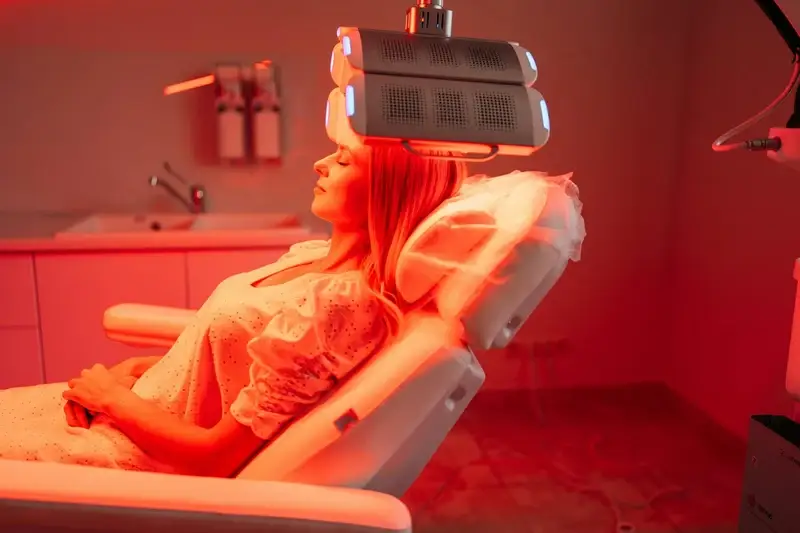
In the clinic, PTs might use larger panels or professional systems. At home, that looks more like a compact device or an infrared lamp patients can hold over sore joints or muscles. PTs are increasingly open to recommending these home-use options when they meet safety and quality standards, because it means therapy does not stop when the appointment ends.
For expectations, PTs generally see red and near-infrared light as a tool to help with
Mild to moderate joint pain and stiffness
Muscle soreness after activity or therapy sessions
Low-level inflammation and swelling
Skin support, including texture and fine lines
It is not a magic fix and it does not replace exercise, manual therapy, or medical care. But as part of a complete plan, a well-designed handheld device can help many people stay consistent and comfortable between sessions.
The Science PTs Expect Behind Red Light and Infrared
When PTs recommend anything, they want clear science, clear specs, and clear safety. With red light and infrared, that usually starts with
Clinical research on similar wavelengths and power levels
Transparent labeling of wavelengths, irradiance, and recommended treatment times
Red light and near-infrared work in slightly different ways. In simple terms
Red light typically targets the surface and upper layers of the skin. PTs may be thinking about circulation at the surface, skin quality, and more superficial pain.
Near-infrared light reaches deeper tissues, which matters for joints, larger muscles, and connective tissue that sit below the skin.
On a cellular level, PTs pay attention to how these wavelengths can support
ATP production, which is your cells’ energy currency
Local circulation, which may support nutrient delivery and waste removal
Modulation of inflammatory processes, which can influence pain and stiffness
There are also myths PTs work to correct. For example
Myth: Any red bulb or infrared lamp from a hardware store will give the same results. Reality: Many basic products only provide heat, with unclear wavelengths or very low light output.
Myth: More power is always better. Reality: PTs look for devices with controlled, appropriate power so patients can follow safe treatment times.
A serious, science-backed device clearly states its specs, does not hide behind vague terms, and does not promise impossible results.
Technical Features PTs Evaluate in a Handheld Device
When a PT looks at a handheld tool or infrared lamp for home use, they tend to start with a few key technical factors.
Does the device combine red and near-infrared, or only one?
Are the wavelengths appropriate for surface skin support versus deeper joints and muscles?
Is the output strong enough that realistic treatment times make sense for daily life?
If a device is too weak, patients need very long sessions to see benefits. If it is too strong without clear guidance, it can be uncomfortable or misused.
2. Beam coverage and ergonomics
Handheld devices have to work on real bodies, not just in theory. PTs look for
A treatment head that is large enough for knees, shoulders, or low backs but still precise enough for wrists or ankles
A comfortable grip that does not strain the hand, especially for older adults or anyone with arthritis
Manageable weight so holding the device for several minutes is realistic
PTs are especially careful about safety, so they pay attention to
Built-in timers to prevent overuse
Overheat protection so the unit stays comfortable against the skin
Eye safety guidance and, when needed, provided eye protection
This is usually where a well-designed therapy device stands apart from a basic infrared lamp that mainly produces heat without detailed safety controls.
What Makes a Device PT-Friendly for Home Programs
To earn a spot in a home exercise program, a handheld device has to be simple to use and easy to explain. PTs want
Clear, written protocols, with distance from the skin, treatment time, and weekly frequency spelled out
Straightforward buttons and modes, not a confusing menu of options that patients will ignore
Consistent performance, so results are predictable over time
Versatility is another big plus. Many PTs like tools that can support
Pain relief over joints and muscles
Skin benefits like collagen support, especially for older adults managing both pain and cosmetic concerns
Scar appearance and tissue quality in healed areas, alongside massage and stretching
Durability and build quality matter too. A PT is more likely to recommend a device if it has
Solid materials that feel sturdy, not flimsy plastic
Reliable power, whether corded or with a strong battery life
Warranty backing from a brand that clearly stands behind its products
As an online retailer focused on red light and infrared devices in the United States, we see how much confidence these details can give both professionals and patients.
Matching Devices to Common PT Use Cases
PTs tend to think in terms of specific goals rather than gadgets. When it comes to handheld devices, that usually breaks down into a few common situations.
For knees, shoulders, neck, or low back, PTs often prefer
Devices that include near-infrared wavelengths for deeper penetration
Enough coverage that patients are not constantly repositioning over the same area
Timers that make it easy to stick to the protocol without watching the clock
2. Post-exercise recovery and chronic conditions
For sore muscles after a workout, or chronic issues like long-standing back or neck discomfort, PTs might position red light and infrared as
A warm-up or cool-down tool around stretching and strengthening
A way to support blood flow and comfort on off days between in-clinic treatments
An adjunct, not a replacement, for movement and exercise therapy
When scars or skin appearance are part of rehab, PTs may look to devices with strong red light output. That can help with
Collagen support in older scars or healed surgical areas
Comfort during gentle massage around the scar
Overall skin quality, which can matter for confidence and long-term tissue health
A standard infrared lamp that only provides heat might feel good, but it typically does not address these light-specific goals in the same way.
How to Talk to Your PT and Choose a Trusted Device
Bringing up at-home red light therapy with your PT is simple when you know what they care about. Helpful questions to ask include
When you discuss options, it helps to share
Where you feel pain and when it tends to flare up
What exercises or manual therapy your PT is already using
Any diagnoses, recent procedures, or implanted devices
Red flags that might lead a PT to pause include
Unmanaged medical conditions that need closer medical supervision
Very recent surgery or open wounds that are not cleared for light exposure
Expectations that light therapy will replace exercise, physical therapy, or medical treatment
To choose a device that earns professional trust, focus on a practical checklist
Transparent technical specs, including wavelengths and output
Built-in safety features and clear user guides
Solid construction and support from a specialized brand
When comparing options, PTs often prefer a well-designed handheld unit from a focused skincare and light therapy retailer over a very low-cost infrared lamp with vague specs. A thoughtful choice can give you and your PT a shared tool that supports pain relief, recovery, and even skin health as part of a long-term home therapy plan.
Questions & discussion